While the energy we use may not be as tangible as the groceries we pick up at the store, the more we use, the more it costs, in exactly the same way that two bags of flour cost more than one.
The good news is that we can make the same amount of energy work harder for us, by being as efficient as we can with it. To learn more, about reducing your energy costs, keep reading below.
The cost of energy
As energy costs rise, more people are looking at where they can easily make savings.
Consumers can make many choices to help spend less, however, often this results in getting lower quality items.
The good news with energy efficiency is that the product is exactly the same, you simply require less of it to achieve the same outcome.
The bad news, of course, is that some investment is often required before these savings can be achieved.
Yet, while these initial investments may put many people off, the long-term benefits can result in overall savings.
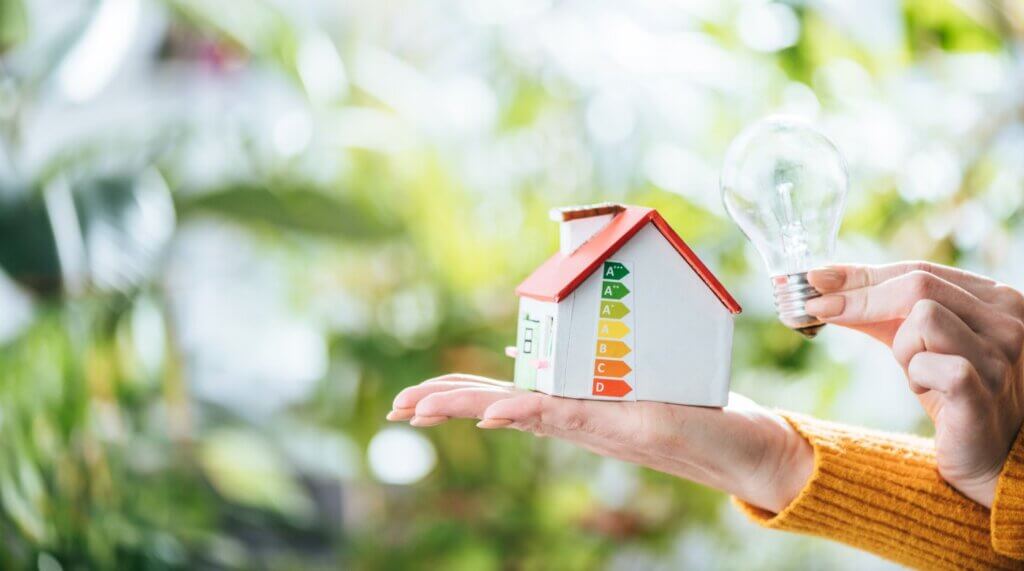
As we will see, while some changes may have a hefty price tag, there are many that are cheap and simple, such as changing lightbulbs.
What is energy efficiency?
While energy efficiency may sound like something big and complicated, it’s actually a very simple concept.
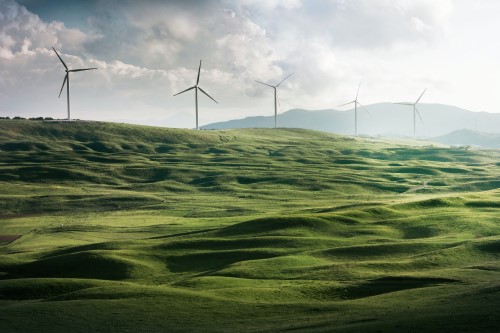
Energy efficiency is the aim to use the same amount of energy to do more. In a more practical sense, this means cutting out areas of waste.
Energy can be wasted in many ways, from its overconsumption when it is not required, such as leaving lights on when no one is in the room, to the use of outdated machinery that requires more than modern equivalents to run.
By identifying these inefficiencies’ energy use can be reduced, sometimes by significant amounts. And as producing energy is becoming more and more expensive, these savings from increased energy efficiency ultimately leads to lower costs.
How to increase energy efficiency
Energy savings can be achieved in a wide range of ways.
💡 Often the easiest to address is unnecessary energy consumption.
While turning off lights when not in use may be an obvious saving, many appliances such as mobile phone chargers have been nicknamed ‘energy vampires’ as they consume electricity even when no phone is plugged into them.
Many modern appliances also have standby modes that use more energy than the machine being turned off entirely. Look for this mode when buying an energy efficient TV, for example.
Also, when buying a fridge, understand that size matters. The bigger the fridge, the more energy it needs to keep it cold. And the same logic goes for fridge freezers. Freezers need to be kept at much lower temperatures, which means more energy consumption. So when considering a huge 50/50 fridge freezer, take a step back and wonder if you really need 340 litres of capacity and extra freezer space.
💡 Energy performance is another key way to save energy.
While it may be environmentally friendly to use existing items rather than purchase news, older technologies can be less energy efficient (water heaters are a good example of this).
Lighting is another classic example of this. Modern LED lightbulbs can use 75% less energy than traditional incandescent bulbs. They also often last for longer, needing replacing less often.
The same goes for tumble dryers. While there are several types of “technologies” available, when it comes to energy performance, heat pump tumble dryers are the way to go.
💡 Other energy-efficient measures can involve increasing heat retention within the home.
A great deal of energy is used to heat our houses and other buildings. Much of this heat ‘leaks’ out of buildings via windows, walls, and roofs.
Installing proper insulation and more energy efficient windows significantly reduces these losses. The same applies to keeping in the cold when air conditioning is used within a building.
💡 Some clever changes can even result in no energy being required at all.
Making sure your future house faces the right direction for energy efficiency is a no brainer, but you can take it one step further. For example, in warmer climates balconies placed above windows can increase shading reducing the need for air conditioning.
Green walls and roofs can also help cool buildings in the summer, and insulate them in the winter.
Climate change and energy efficiency
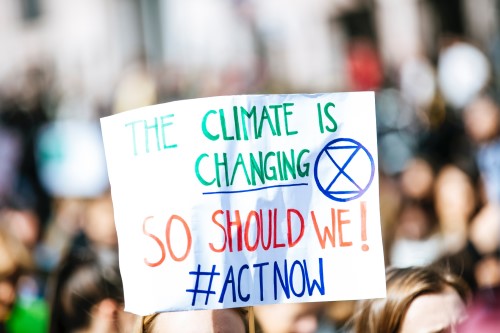
Energy-efficient improvements aren’t just good for your wallet, but also reduce your environmental impact.
While renewable energy can be hailed as relatively clean energy compared to that produced by fossil fuel power plants, the majority of our energy production does lead to harmful emissions.
Such pollution, in particular the release of carbon dioxide and other greenhouse gases, contribute to global warming.
While the costs of this environmental catastrophe may not be apparent to us at first, we are already feeling them, from more expensive food to increased regional unrest, leading to wars and displacement of people.
One of the ways that many countries are trying to bring about emissions reduction, without impeding economic growth, is through the implementation of a carbon tax. This tax increases the cost of fossil fuels, meaning their use becomes reduced.
As energy demand rises across the world, with more of our lives dependent on technology, and more people having access to technological advancements, the effect of our consumption on our environment will only be more strongly felt.
Therefore, spending your money on energy-efficient investments will give you savings in more than one way.