Despite the numerous papers, articles and Wiki pages explaining the concept, education for sustainable consumption is actually quite lacking!
Try to define sustainable consumption in 10 words.
Struggling? We’re not surprised. Sustainable consumption is not quite as self-explanatory as you might believe. There are many different definitions out there, and they’re always changing and evolving.
So, at beeco, we’ve gone through all these definitions and research to create a guide to sustainable consumption, what it means exactly, and the many different concepts, topics, theories and practices that fall under it.
What is Sustainable Consumption?
Sustainable consumption is the concept of consuming resources and products in a sustainable, responsible way, so they can meet our needs now and in the future, without creating a negative environmental impact.
This definition comes up a lot when looking into sustainable consumption. However, it’s probably the loosest definition of the concept…
The problem with this simplistic definition is that it is so broad. It applies to consumers like us, buying products, as well as governments, economies, businesses and pretty much our entire way of living.
Putting a very vague concept like this into practice is almost impossible. And that’s why you find so many variations and different ideas of what sustainable consumption is and how it can be achieved.
The Changing Concept of Sustainable Consumption
Sustainable consumption examples vary on multiple factors, including who is creating the definition. The Nordic Council of Ministers created a document to define the definition of sustainable consumption. Instead of creating a definitive statement, they found that different organizations had different ideas of what it meant:
The Organisation for Economic Co-operation and Development (OECD)
The organisation was founded to help economic growth through world trade. As a result, their definition of sustainable consumption is quite pragmatic and focuses on trade and consumption at a household level.
They see consumption as “the final consumption activity of households” and sustainability as “greater efficiency in the consumption of energy and resources in the home, the minimisation of waste, and more environmentally sound purchasing habits of households.”
The United Nation Environmental Programme (UNEP)
They have a different approach.
They are all about enabling entire nations to provide for their citizens in sustainable ways. So, their definition looks at the concept from a governmental perspective, e.g. what should the government implement rather than what should the consumer focus on.
Furthermore, the UNEP makes the distinction between sustainable consumption in developed and developing countries.
“In developing countries […] sustainable consumption would target more efficient use of resources, thereby effectively expanding the resource base to meet human needs.”
“In developed countries […] the emphasis is on altering consumption patterns to achieve reduced overall material and energy use, as well as reduced intensity per unit of functional utility.”
As you can tell, the definition and goals of sustainable consumption are largely dependent on the organisation that creates them and the country they are working in.
beeco’s Sustainable Consumption Definition
At beeco, we are focused on how we can help consumers like you, in the UK, live sustainable lifestyles.
And although we are very invested and interested in sustainable development (e.g. businesses and governments developing sustainable practices), we like to keep our sustainable consumption separate.
Our definition:
Sustainable consumption is about reaching sustainable consumer behaviour. It’s about thinking and acting with the environment in mind when we, as final consumers, consume, buy, and dispose. It’s about adopting sustainable values upstream in order to make consumption choices that reduce waste generation and environmental impact.
While many sustainable consumption definitions look at both the development of products as well as the consumption of them, we are very much focused on the end consumer part. We’re all about what you can do to achieve sustainable consumption.
ℹ️ Sustainable Consumption and Production (SCP), the approach including both the production and consumption sides in the definition, isn’t wrong. But to us, it just doesn’t feel very applicable for end consumers. That’s why we prefer to distinguish the definition of sustainable consumption (SC) from the definition of SCP.
Read our guide to Sustainable Consumption and Production to know more about their differences.
The Difference Between Sustainable Development and Sustainable Consumption
We also make the distinction between sustainable development and sustainable consumption because, really, you can’t always do both as an individual.
While they’re inextricably linked, it’s not helpful for consumers like us to create just one definition. It’s not actionable.
Let us clear up what sustainable development is, and all will become clear.
Sustainable Development Practices
Sustainable development is about organisation and human development. Reorganising an economy to prioritise sustainability, is an example.
Other ways sustainable development can work include:
- Sustainable forest management,
- Waste regulations to penalise excessive waste,
- Working towards sustainable agriculture to feed populations,
- General policies to end poverty without compromising resources for future generations.
One of the best examples of sustainable development is the 17 Sustainable Development Goals set out by the UN. It’s a blueprint for peace and prosperity, both for humans and the planet, that’s been adopted by all United Nations member states.
The 2030 Agenda for Sustainable Development includes goals like:
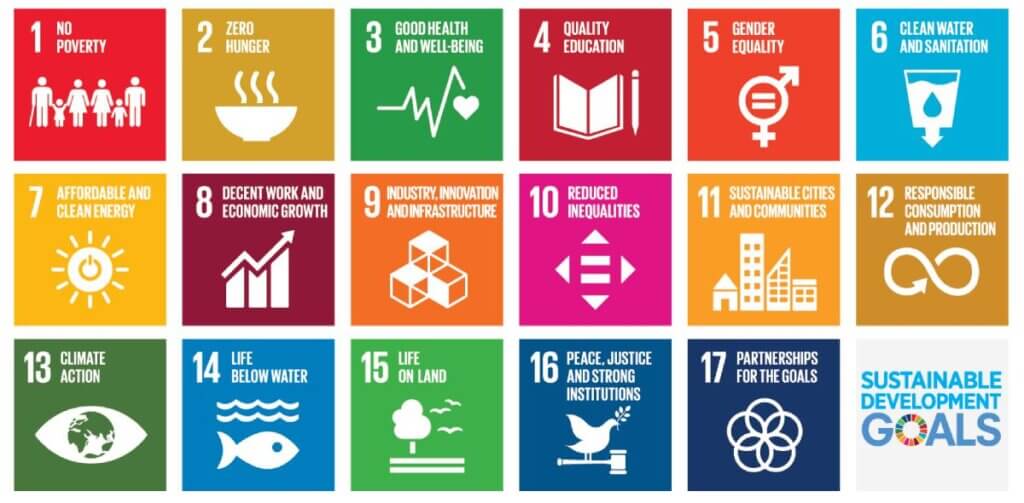
- Zero hunger
- Clean water and sanitation
- Reduced inequalities
- Climate action
- Support for life in our oceans and on land
It’s all about realising that “ending poverty and other deprivations must go hand-in-hand with strategies that improve health and education, reduce inequality, and spur economic growth – all while tackling climate change and working to preserve our oceans and forests.”
Sustainable Consumption Practices
Sustainable consumption is about using resources. Physical items, like books and TVs and clothes, are just one form of consumption. Energy, food, space, jobs, services… these are all forms of consumption too.
Examples of sustainable consumption do apply to companies, e.g. using solar panels to power their depots, but they also apply to the individual:

- Buying local and seasonal produce,
- Following zero waste principles,
- Changing energy consumption habits,
- Swapping commercial experiences for meaningful hobbies.
How Sustainable Consumption and Development Are Linked
Sustainable development is almost like the step before sustainable consumption.
Through sustainable development, companies and governments can create products and practices that are sustainable – then we, as consumers, can choose the sustainable path.
This is why we want to keep sustainable development and sustainable consumption as separate definitions.
While learning about sustainable development is important, it’s not something that the average person can do anything about (unless they happen to be a CEO or government official).
If organisations work on sustainable development, while each individual works on sustainable consumption, it should all pull together!
Weak and Strong Sustainable Consumption
Doris A. Fuchs and Sylvia Lorek released a paper in 2005 concerning “Sustainable Consumption Governance: A History of Promises and Failures”.
By examining the history of sustainable consumption (so far) they were able to outline 2 types of sustainable consumption: weak and strong. Since then, these 2 concepts have been referred to by many experts and it’s important to understand what they mean and how they differ.
Weak Sustainable Consumption
Let’s start with their definition of weak:
Weak sustainable consumption is about improving the efficiency of consumption. Technological or design improvements reduce resource consumption but still result in an effective product or service.
One good example of the many weak sustainable practices we are currently using comes down to your car.
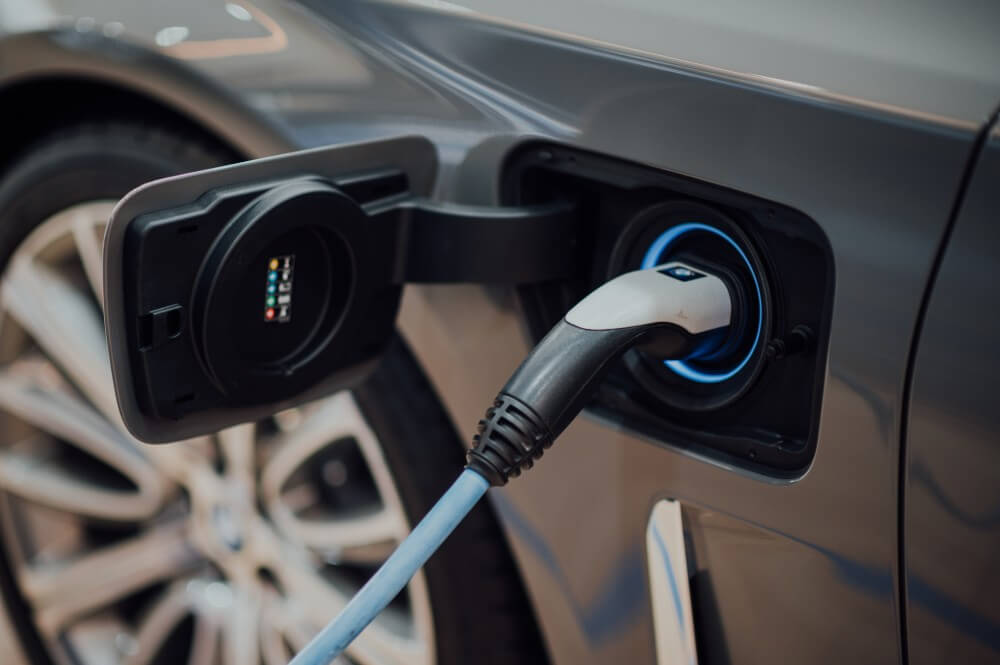
For example, you might switch from a petrol-guzzling car to an efficient car that can take you twice as far for half the fuel. Or you may even switch to a hybrid or fully electric car. This is a weak sustainable consumption switch – you’ve reduced the resources you use, but you haven’t actually solved any problem or helped the environment.
Your behaviour is still unsustainable.
Fuel is still needed to run the more efficient car (or power the batteries) not to mention the inefficiency of 1 person in a 4-seater car. Don’t forget the pollutants from manufacturing the car and the unrecyclable components inside it, either.
An Important Note About Weak Consumption
The key is in the name – it’s “weak” but it’s not “pointless”.
You’ll see in our next section how strong consumption can make a much bigger impact, but that doesn’t mean weak consumption doesn’t have benefits. Even though driving a fuel-efficient car has a small impact, it’s still better than changing nothing!
And while strong sustainable consumption partly relies on change at a national and even global level, weak sustainable consumption is much more achievable for individuals.
Our advice? Make strong sustainable consumption choices wherever you can, and use weak sustainable consumption to fill the gaps until society and technology catches up.
Strong Sustainable Consumption
Strong sustainable consumption provides a much bigger impact on the environment. It’s not about just shopping for the most efficient product.
According to the paper, strong sustainable consumption “requires changes in infrastructures and choices as well as a questioning of the levels and drivers of consumption.” It’s about making lifestyle changes and realising how you can make the biggest impact.
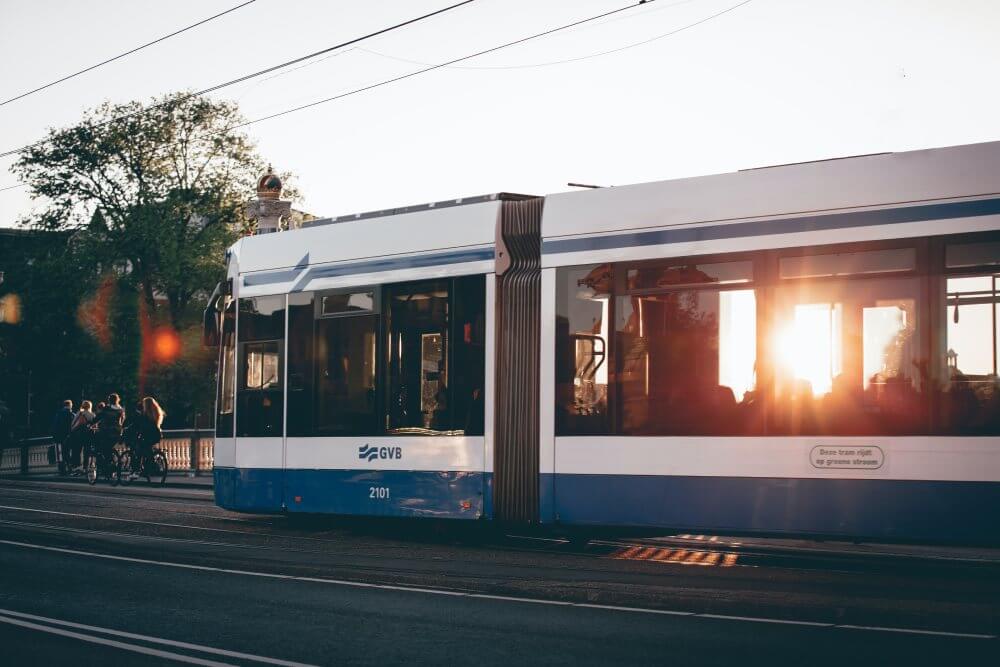
To use our car example to show strong responsible consumption, you’d need to ditch the vehicle altogether. Using public transport, shared commuting, or just travelling shorter distances or not even travelling at all if it can be avoided.
Furthermore, strong sustainable consumption applies to organisations, businesses, governments and more. The key is that we need to change our infrastructure. Instead of simply reducing our reliance on natural resources, we need to operate without them entirely.
This is how we will make a real change.
So, if we can make such a big difference with strong sustainable consumption, why aren’t we doing it? The original paper notes this problem too. They found that:
“It is shown that weak sustainable consumption has received some attention, while strong sustainable consumption is almost entirely absent from political debates.”
Since 2005 when this paper was published, this is no longer entirely true.
As an example of how some organisations and governments are stepping up to change behaviour, the economy, and governmental policies, take a look at The European Green Deal.
But with those few specific examples aside, not much has changed. There’s a lot of pressure on consumers by corporate entities to switch to their eco-friendly products… when the actual sustainable consumption choice is to switch your behaviour and not buy at all.
Overconsumption: The Big Barrier to Strong Sustainable Consumption

Strong sustainable consumption leads us to barriers that we need to overcome. Clearly, there are many behavioural and political hurdles that need to be crossed before countries can enable their citizens to actually practice strong sustainable consumption.
The biggest of them all, is overconsumption. This is consuming when we don’t need to consume, and using resources that are unsustainably sourced to do so.
In the West, we currently live in capitalist societies where economic growth equals well-being. This basically means, the more you buy and trade, the better the economy and the better your quality of life.
This is the direct opposite of strong sustainable consumption, which believes quality of life for us and the planet should be based on “less is more” and “smaller is better”.
So, is the solution socialism? It’s unlikely. Although both socialism and sustainable consumption oppose capitalism, they are not equal or synonymous.
Both buying/trading through private enterprises (capitalism) and government intervention to control and plan the economy (socialism) still mainly rely on using natural resources. Furthermore, although it’s debated by many, socialism in the past has often stifled innovation and societal progress – two things we will definitely need to impose strong sustainable consumption changes.
The actual solution (or rather, the best solution we’ve theorised so far) is circularity.
Regardless of whether the political system is leaning Left or Right, circularity pins economic success and stability on reusing resources, rather than relying on virgin resources that are then sent to landfill.
Read our article about circular economy to learn more.