The energy efficiency of windows can be hard to measure – ironically, it’s not always transparent! From the glass pane to the frame material, an energy efficient window has multiple components that impact how it insulates your home, allows solar heat inside, and blocks draughts.
So, we’ve created a guide. Whether you’re undertaking some DIY to improve energy efficiency or just want to know what options are available, keep reading to discover everything you should know about the energy efficiency of windows.
🔑 Key Takeaways
- Use the BFRC rating to quickly compare windows for energy efficiency (aim for A or above).
- The u-value measures how much heat passes through the window – the lower the u-value, the better.
- Both uPVC and wooden frames have advantages and disadvantages. Other frame options are expensive and harder to find.
- Double glazing is the best option for the UK, with triple glazing being an option for homes with high noise pollution.
- The most energy efficient windows reduce heating bills but will not pay for themselves. Nonetheless, homeowners and experts agree that they are worth it anyway, thanks to numerous benefits besides energy efficiency.
Windows Energy Rating Guide
In the UK, we have energy rated windows. Just like you’d look for the energy star and rating on an energy efficient TV, you can use the window energy rating system in the UK for “window shopping”.
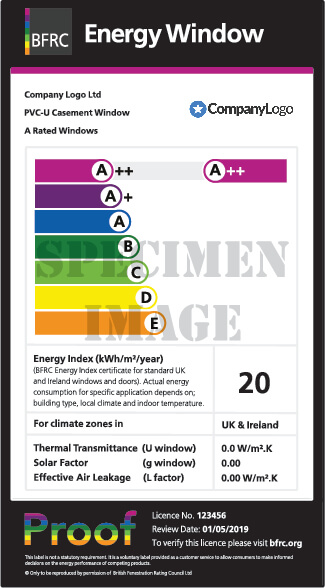
The body responsible is the British Fenestration Rating Council (BFRC). They measure both positive contributions (e.g. solar gain) and negative contributions (e.g. air leakage) to create an overall score.
Ratings go from A++ to E.
A-rated windows or higher are “energy positive”. And it’s that simple! The score sheet gives you detailed facts, like thermal transmittance, but all you need to do is look at the overall rating for energy efficiency. Here’s an example from BFRC.
Windows U-Value
The u-value is sometimes alongside the BFRC rating. This u-value measures how much heat passes through the window only.
The lower the figure, the better.
So, while the BFRC rating will calculate air leakage, how much solar warmth passes into your home, and other factors, the u-value is singularly focused on heat loss.
Look at both figures when you’re shopping for windows. For example, two windows may both be rated A+ but have different u-values, indicating that one is better at sealing in heat than the other.
Typical UK u-values are:
- Standard window – 1.6
- Double glazed window – 1.4
- Triple glazed window – as low as 0.7
Before you jump to the conclusion that triple glazed windows are a must, read our section on window panes below. Triple glazing is not the best for the UK.
Types of Windows – Energy Saving Explained
Heat loss through windows accounts for 5% to 10% of heat loss in our homes. With rising energy bills, that’s actually quite a bit of money lost on your heating bill! Once you’ve got the loft and walls insulated (learn about sustainable building materials), focus on your windows.
Insulated windows are composed of two parts; the frame and the panes. You have multiple options for both, so let’s look at what’s most energy efficient.
Window Frame Types
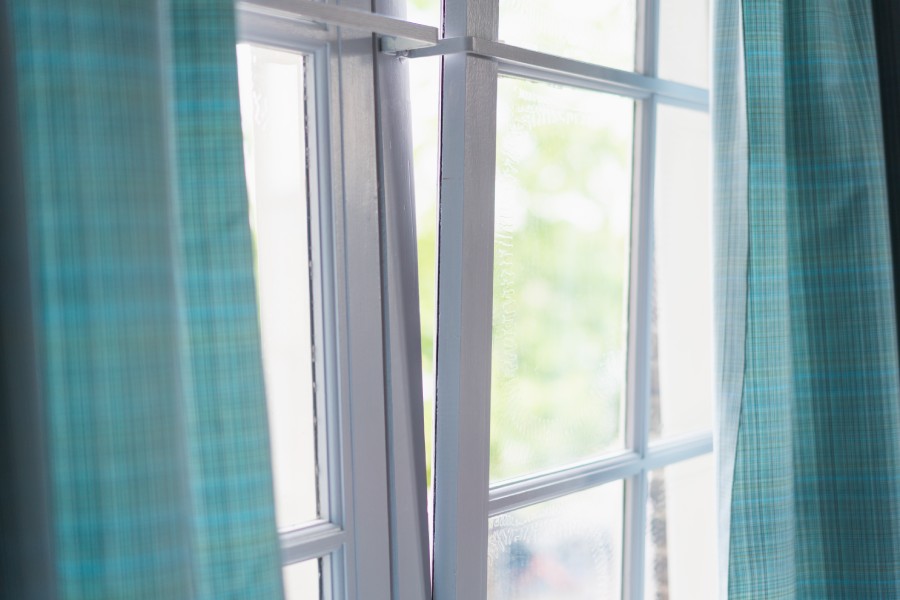
Although heat lost through the glass panes is important to consider, the frame material can also leech heat if it’s not insulated. For energy efficiency, the ideal material is seamless, low maintenance and naturally weatherproof.
Insulated window frames are usually either wooden or uPVC in the UK. Modern window frame solutions, from composite to fibreglass, are also available… but they’re pricey and not widely available.
Thankfully, the BFRC rating covers both the frame and the panes, so you don’t need to become an expert in these materials to judge the overall energy efficiency of your windows!
Wood Window Frames
As far as eco-friendly materials go, wood window frames are a great frame material. Made from a biodegradable material, they are more attractive than plastic frames.
However, there are some serious disadvantages to wooden frames:
- They’ll need coating in chemical sealants, which may mean the wood can’t biodegrade or be easily reused.
- Wood swells and shrinks as humidity and temperatures change – it’s not entirely seamless.
- They’re not as insulating as plastic frames.
- You will need to regularly repaint the frames to maintain them.
- The overall lifespan of a wooden window frame is shorter than plastic.
For some buildings, particularly those that have listed status or reside in an area of conservation, you may be stuck with wooden window frames. However, it may be possible to use uPVC frames that mimic the look of wood – it’s worth considering as an option.
uPVC Windows
Considering that uPVC can potentially be recycled, plus the energy saving improvements, it’s actually a comparable choice to wooden frames. Although the material itself is not good for the environment, and it requires rather a lot of energy to produce, you need to weigh up the energy saving benefits – how much smaller will your carbon footprint be by insulating your windows better with plastic frames?
uPVC (unplasticised polyvinyl chloride) is:
- Lightweight and seamless,
- Requires no maintenance.
- Insulates very well,
- Requires a lot of energy to produce,
- Can be recycled – but it’s not a straightforward task and also requires a lot of energy. Currently, 83% of uPVC goes to landfill rather than the recycling centre.
There are other frame materials, namely metal (aluminium or steel) which is slim and long-lasting, but more commonly used for commercial buildings, and composite. This is an interesting window frame, being made from pulverised wood fibre concealed inside aluminium or vinyl.
Composite is hard to recycle, but can be made from natural and even recycled materials. However, composite window frames are harder to come by in the UK and are quite expensive, so they’re not a viable option for many.
TLDR; wood frames are better for the environment, but require more maintenance. uPVC frames are great for insulation but are terrible for the environment. Composite and metal frames may offer the best of both worlds, but are harder to come by and cost more money.
Panes
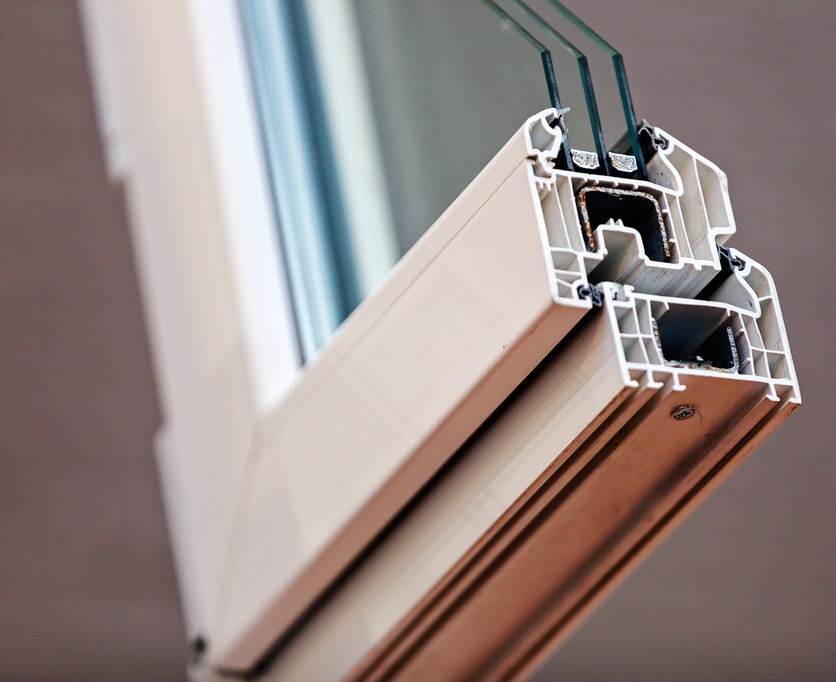
Energy efficient glazing makes a big difference. First, look for low-e glass (sometimes called k-glass) which is coated with a very thin layer of metal oxide on one side, which reflects heat from your home back into the room.
Most building regulations require builders to install windows made from low-e glass, so it’s used as standard across the UK.
Focus your attention on double glazing upgrades instead.
Double Glazing
Double glazing is, quite simply, a window made up of two panes of glass. There’s a small gap between the panes, usually up to 2cm, which is filled with an inert gas like argon.
The benefits include:
- Improved heat retention,
- Reduced draughts,
- Reduced noise pollution,
- Better security (it’s much harder to break these windows).
Double glazing is both common and recommended in the UK, so you shouldn’t have any trouble finding double glazed windows to fit your house size/style.
Double glazing can reduce your energy bill by up to 10%, however it’s worth noting that the claims suggesting double glazing ‘pays for itself’ have been found untrue. It is expensive upfront and the many benefits make it worthwhile… but while it is energy saving, it’s not particularly money saving!
Triple Glazing
Triple glazing employs three layers of glass rather than two. It further enhances the energy efficiency of the window and reduces noise pollution even further – if you lived by a busy motorway, triple glazing would be a good way to keep the noise out.
The other unique benefit of triple glazing is that it prevents condensation too.
However, just like double glazing, it is expensive and won’t pay for itself.
Ultimately, while triple glazing may be a good option for homes that suffer from terrible noise pollution, it’s not necessary for the average household. Double glazing does an excellent job at retaining heat and will suffice.
Note: triple glazing is excellent at locking heat in, and blocking cold air out… along with sunlight. In Scandinavian countries where outdoor light is low and the temperature is bitterly cold, it makes sense to utilise triple glazing. In the UK, where warm sunlight can contribute to warming our homes during the day, triple glazing can actually make energy efficiency worse by reducing solar gain – especially on south-facing walls.
Secondary Glazing
Secondary glazing involves placing an extra ‘layer’ on the inside of the window. It could be a temporary film that sticks to the frame of the window, or a removable pane of glass that can be secured to the window as needed.
Secondary glazing can be effective, but it’s also expensive if you look at the best options. That’s why secondary glazing is only recommended in cases where upgrading to double or triple glazing isn’t possible.
Listed or period homes with awkward windows (e.g. sash windows or Tudor diamond windows) fit this category.
Do Eco-Friendly Windows Exist?
It may seem like you have a choice – either high performance windows made from plastic materials, or environmentally friendly materials but higher house heat loss. But that’s not strictly true.
Energy efficiency in houses is something that evolves. New technologies, materials, and manufacturing techniques are developed. For example:
- Composite materials were initially made for hospital doors, as they are corrosion-resistant and air-tight, meaning more hygienic. But this technology is being developed for window frames too. The composite window frame market is expected to grow to $1,265.80 million by 2030, led by huge demand for more low-maintenance eco-friendly window frame options.
- Smart windows being developed at Stanford University will harness the old aeroplane window technology to automatically tint in the summer months – the darker the glass gets, the more heat it blocks out (thus keeping our homes cooler without air con).
- Michigan State University, on the other hand, is looking to keep glass clear… while harnessing solar energy. The window technology they’re working on would create solar power through the window panes without compromising transparency.
Of course, these technologies may be decades away from becoming mainstream, but in the meantime, we can rely on the BFRC rating in the UK to determine how efficient our current windows are.
Solar Heat Gain!
The thermal efficiency of windows is as important as energy efficiency.
By allowing heat transfer in, but not out, we can absorb warmth from sunlight without losing any of the energy we produce in our homes.
Thermal windows are part of passive solar design for houses. In combination with other features of your home, you can boost the thermal performance to keep your home warm in winter and cool in summer.
Look at this, as a basic example:
In the summer, when the sun is high in the sky, the overhanging roof will block the sunlight from the windows.
But in the winter, when the sun sits lower in the sky, it can directly hit the windows and warm the home inside.
Other Ways to Improve Window Energy Efficiency
Redesigning your home with a passive solar design may be out of the question, so here are some more manageable suggestions:
- Thick curtains – the heavier and more insulating your curtains are, the better.
- Seal any gaps in your window frame with silicone or weatherstripping. Hold a candle and move the flame around the frame. When the flame flickers, you’ve got a draught that needs to be sealed up.
- Try window film, which is a cheap secondary glazing option. It is a temporary solution to see you through the winter while you save up to switch to energy efficient windows!
FAQs
Modern windows are very energy efficient, by insulating your home to lock heat in. Switching to double glazing is estimated to reduce your energy bill by 5% to 10%.
In the UK, double glazing tends to be best. It locks warmth in while allowing sunlight to warm our homes too. Look for the u-value and rating to figure out just how efficient an individual window is.
An A rating is considered good using the BFRC rating system. As for u-value, under 1.5 is good. Under 1 is excellent!
If you don’t have the BFRC or u-value of your window, you can judge by your energy bills, condensation in winter, and checking for draughts around the seal. This won’t give you a figure, but it will indicate if you have some obvious issues to fix.
Both A and A+ rated windows are considered “energy positive” and are great for improving energy efficiency in your home. An A+ window is slightly more efficient than an A window. You can also check the u-value to judge efficiency.