Who doesn’t love popping the bubbles in bubble wrap? A handy product for transporting fragile and breakable items, it has long been used by businesses and individuals alike.
Yet, the real question is what to do with it after you’re finished. The good news is that it is now recyclable, but the bad news is that not everywhere will readily accept it.
What is bubble wrap?
Originally designed to be a funky 3D wallpaper, bubble wrap has since become a standard packaging material, heavily used in shipping goods.
To give you the technical definition, bubble wrap is generally made of low-density polyethylene, the same material as plastic bags.
The process of forming it involves melting small beads of plastic and then rolling these beads to form a plastic sheet. The sheet then passes a roller with regular holes in it. Suction pulls the plastic into holes to create bubbles.
The bubbled sheet is then joined to a second flat sheet and pressed together, leaving the bubbles intact.
Can you recycle bubble wrap?
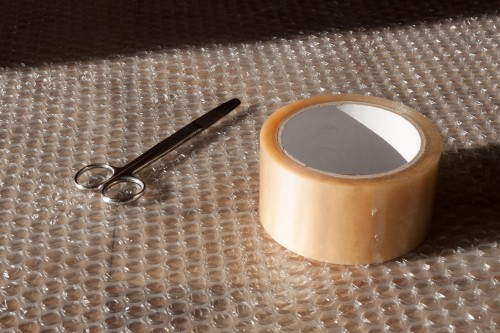
When it comes to whether bubble wrap is recyclable in the UK, the answer is generally yes, however, there are many caveats to where it can be recycled.
Though plastic bubble wrap is recyclable the main reason it isn’t readily collected is down to the flexibility of the material, which means it can stretch and become tangled in machinery.
In order to recycle bubble wrap, it requires specialist equipment, as with other plastic films.
How to recycle bubble wrap
Now we know that bubble wrap can be recycled, the question is how to go about recycling it.
Unfortunately, there’s generally no bubble wrap recycle bin, either in curbside recycling or in recycling centres.
A few local authorities have begun to collect soft plastics along with other hard plastics like plastic bottles, however, most do not accept this type.
Recycling centres again are very individual, though most state that they cannot recycle bubble wrap, and therefore will only take it in the general waste.
So until very recently, bubble wrap was unfortunately doomed to the landfill along with its carrier bag siblings and other plastic waste.
However, due to pressure on supermarkets to recycle their plastic bags, there are now recycling boxes at most supermarkets that accept soft plastic recycling, including bubble wrap.
Is bubble wrap eco-friendly?
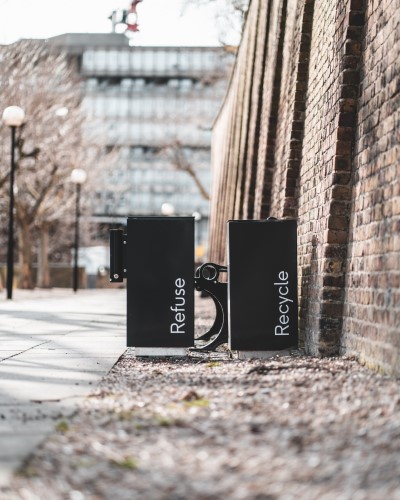
Technically, using protective packaging such as bubble wrap is an environmentally friendly action (even though it means using more materials). But bubble wrap does have a negative impact on the planet.
Why is it an eco-friendly action? Well, if the choice is whether to send a laptop through the post with or without bubble wrap, bubble wrap is definitely the right choice, as it will keep the laptop safe. If you don’t have protection and the laptop breaks, it might have to go straight to the recycling centre (if they accept it).
Another benefit of bubble wrap is that it can be reused multiple times, even once some of the bubbles are popped.
You can save bubble wrap with other second-hand packaging items to be reused as and when you need them. Or you can donate the materials to local charities who have shops, who can make use of them.
However, though it can be reused or recycled, there are still several environmental issues with this product due to its very nature as a plastic item.
The environmental impacts of bubble wrap
Source
Plastics such as polyethylene come from oil that is a finite resource and also a fossil fuel.
There has been a great deal of improvement in the last few years with more recycled plastics being used rather than primary plastics. However, as with most plastics, there’s a limit to the number of times bubble wrap can be recycled, with new materials needing to be added each time.
End of life
Recycling is the ideal end of life for bubble wrap, once it can no longer be used. However, because of the difficulty in finding places to take it, much of it has ended up in landfills, where it will not biodegrade.
Other issues include the loss of this kind of plastic to the natural environment in the form of litter. As bubble wrap is light and easily blown away, it is one of the plastic items that can easily end up in rivers and the sea, where it can be eaten by wildlife.
As well as ending up in landfills, bubble wrap is often burnt. While incineration operations are much cleaner than they once were they still release greenhouse gases, and it also means materials are lost and unable to be reclaimed.
Eco alternatives to bubble wrap
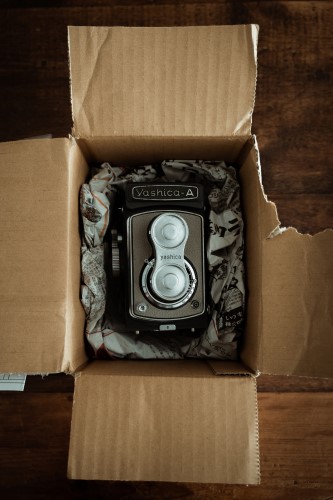
Due to the environmental downsides of bubble wrap, there are now many environmentally-friendly alternatives that you should consider before getting bubble wrap.
Cardboard
Shaped cardboards are used regularly to hold items in place, reducing the potential for movement and adding cushioning to fragile items. You can even reuse old cardboard or smaller boxes for this task.
Paper
When ordering online you will often open the box to find zig-zag folded strips or sheets of paper. These are surprisingly effective in protecting fragile items. The one issue can be that the smaller strips of paper are difficult to recycle.
Packing peanuts
Packing peanuts may look like a type of polystyrene but in fact, they are edible (though we wouldn’t recommend you try), being made out of the same type of materials as some crisps, usually corn starch.
Wool
An interesting new alternative to bubble wrap uses waste wool to create packaging. While this might not be one for the vegans amongst you, wool has lost its value in recent years meaning that some farmers simply throw it away. Then why not reusing it to replace plastic items?
In summary
So while bubble wrap has many plus sides, helping to prevent waste, being recyclable and being highly reusable, its downsides still need to be considered.
The best advice we can give is to reuse existing bubble wrap as many times as possible, saving it and sharing it when you don’t need it.
And then, when it comes to buying something new to package your items, look around and see what the alternatives are, and where you can cut your plastic use by going for compostable items instead.