Once upon a time, wet shaving was the only way to shave. Yet since the introduction of the electric razor, it has become outdated, and the electric razor has completely replaced it as a faster and more convenient option.
However, recent years have shown a resurgence in the popularity of the traditional shaving technique in the UK. And there are plenty of reasons for that, including environmental sustainability, cost-effectiveness, and less skin irritation.
So let’s dive into the good old wet shaving world and learn how to wet shave like a pro.
What is a Wet Shave?
Everything is in the name. A wet shave is shaving with water (without using an electric razor).
For this shaving method, you typically need a shaving brush, soap, and a single-bladed or multi-blade cartridge razor.
Combining these products keeps the shave wet and improves the final result’s smoothness.
What Do You Need?
Before proceeding with tips on how to wet shave, let’s look at the “tools” you will need for a perfect shave operation.
For those who have spent their life looking for a plug socket for their electric razor or constantly binning disposable versions instead, a traditional wet shaving kit may seem an expensive alternative.
However, things are different. Though the initial investment is higher, the better quality and durability of the product means its cost-effectiveness in the long run, with less avoidable waste.
So what should you include on your shopping list if you want to pamper yourself with a more traditional shave?
Shaving Brush
There’s something very appealing about an old-fashioned shaving brush.
Perhaps it’s watching all those suave heroes in movies growing up, shaving their chiselled chins in the bathroom mirror.
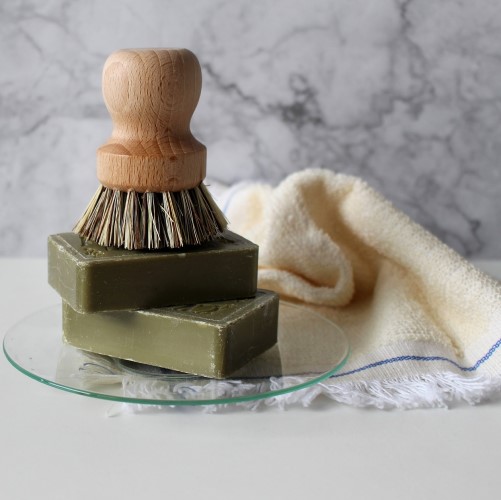
These large bristly brushes are used to lather up your shaving soap, gel, or cream before applying it to your face. The lather helps to lift the hairs, making them easier to cut.
Sad news for vegans: unfortunately, most brushes are made from badger fur or boar bristles. If you want a vegan alternative, the main option would be synthetic fibres which are non-biodegradable.
You can also do without the brush entirely and choose products that produce their own lather, but a good foam can (and will) help reduce razor burn and ingrown hairs.
The Razor
There are a few options when it comes to sustainable razors, but two types of razors share the zero waste crown.

You can either go for the manly but slightly terrifying, straight razor, aka the cutthroat razor, or the safety razor.
Now, if I have a choice between something that had the words cutthroat or safety in the title, I know which I would go for.
The safety razor was invented for just the following reason: to avoid the cuts and nicks that occur when using a straight razor.
- The only downside of the safety razor is it can be more challenging to clean, and you will need to regularly replace the blade to keep it sharp.
As for the cutthroat razor, its advantage is that you can – and will have to – sharpen the blade yourself.
- But this is a whole new set of skills and keeping your blade sharp is essential to get a closer shave and avoid irritation.
Of course, you can do a wet shave with a disposable razor, but it’s a completely non-environmentally friendly option. Plus, let’s be honest, safety razors and cutthroat razors provide a much better shave (and they look way cooler).
Shaving Soaps, Gels, and Creams
Traditional shaving soap usually comes in a little container or dish, which allows you to swirl the wet brush over it without making a big mess.
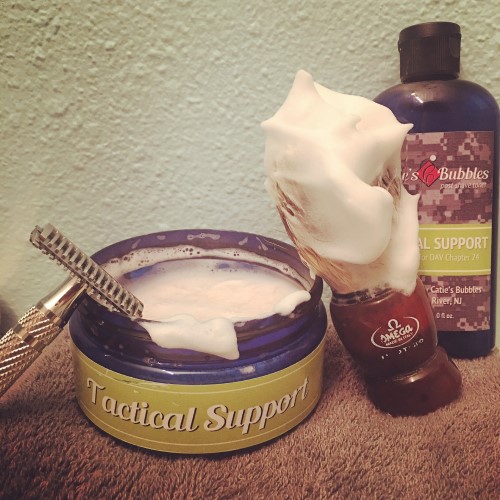
Some keen wet shavers also have a shaving bowl to help them create the thickest, most luxurious lather they can (it’s also a good thing to have for beginners, to learn the exact amount of soap and water you need). While thick lather is nice, if you don’t want the clutter, you can just use your hand or a clean surface.
There’s not really a right or wrong answer on what you use in terms of soaps, gels or creams. It’s very much about personal preference.
However, always have a look at what is in your product of choice, as some may contain nasty chemicals that can be harsh on your skin and bad for the environment.
As far as we are concerned, we’ve got a soft spot for natural shaving soap bars. Check out our favourites ones. They are vegan and contain exclusively organic ingredients and essential oils.
If you’re new to shaving soap, we have a short step-by-step guide on how to use it. Check it out…
Pre and Post-Shave Products
The essential products for your shave are the razor and the lubricant to help it glide across your skin.
However, for a bit of extra skin care and good pampering, you can wash your shaved body with soap or scrub before shaving. And you can also apply a moisturising oil/cream, a body lotion, or an aftershave balm after your shave.
These will keep your skin from getting dry and will also help to aid in the healing process of any cuts.
How to Wet Shave – Our Wet Shaving Tips
Prepare Your Skin
Shaving can be quite harsh on the skin, so anything that can be done to make the process more gentle is good.
You need to soften the hairs by wetting them: this can be done by washing the area with warm water and soap or applying oils.
For a real luxury approach, you can apply a hot towel to the shaving area. This may seem time-consuming, but the additional relaxation and enjoyment are surely worth a few extra minutes.
Lubrication
Now it’s time to grab your soap, cream or gel and get a fine lather.
If you’re using a brush, you want to use a small amount of your product and swirl the brush around to get it to foam (for the smoothest lather, get yourself a shaving bowl).
Once you have a good amount, you can apply it to the areas you want to shave using a circular motion.
It’s Cutting Time
Now you might be nervous if you’ve dumped your disposable or electric razor for a safety or a straight razor. But it’s not as different as you might think.
It’s important to move with the grain and follow the direction of the hair.
Move in slow short sweeps, and don’t press too hard (if you have a good razor, its weight should be enough to do the job).
Bodyparts are always tricky, and whether you’re shaving away facial hair or banishing leg hair, you’ll have to change the angle of the blade regularly to get around awkward lumps and bumps.
Rinse and Repeat
Don’t forget to rinse the blade regularly during your shave.
When you’ve been over the area once, you can reapply the foam and shave again.
After the first go over, going against the grain can help get a closer shave without such a risk of razor burn (emphasis on the “ after the first go over).
Wash and Apply
Once you’re happy with the results, you can wash off the residue with cold water, to constrict the open pores. After that, apply the moisturizer or aftershave.
Avoid those containing any harsh chemicals such as alcohol, as your skin will need a bit of love rather than a metaphorical slap in the face.
Take Care of Your Equipment
Don’t forget to wash your equipment!
While traditional razors and brushes may be longer-lasting than disposable items, nothing survives mistreatment long.
Rinse well and ensure they are stored away from any dampness.
You can get handy stands for your brush and razor to help keep them high and dry.
Benefits
Everyone who has ever dealt with wet shaving is aware of its benefits. Let’s check them out.
Good for Your Skin
Wet shaving is much more gentle on your skin, with the additional lubrication allowing the blade to glide over the hairs while causing less damage to the epidermis (the top layer of skin).
For those having sensitive skin, this method can reduce irritation, razor bumps, and razor burns.
Reduces Ingrown Hairs
Ingrown hairs can be a significant irritation for many shavers.
Yet, a wet shave can help to avoid this.
Using a shaving brush, wetting your hairs before your shave, and using a single blade razor can help prevent this nasty discomfort.
Cuts ALL Costs
Wet shaving is cheaper than other forms of shaving, including a cartridge or disposable shave.
If you choose your equipment to be long-lasting and buy products that are sustainably made, wet shaving is a completely cost-effective option.
Pay attention to high-quality shaving kits. You spend only once, and this one-time investment will reduce your costs and make your shaving experience completely enjoyable!
It’s More Environmentally Sustainable
With more people wanting to cut their carbon footprint, daily rituals like shaving aren’t a bad place to start.
Wet shaving is much more environmentally sustainable than cartridge or disposable razors.
You will have less to throw away with reusable containers for your creams and soaps. Moreover, what you throw away after wet shaving is biodegradable.
It’s More Relaxing
Perhaps one of the main reasons people turn to a wet shave is because it is more time-consuming.
This might sound counterintuitive, but in a world that is constantly rushing from one thing to the next, it’s nice to stop and slow down. Looking after ourselves can have a real benefit on our mental health, reducing our stress levels.
So it’s not wasted time, but time well spent.
Has an Old-School Vibe
Nothing beats the time-proven shaving method, which can return you to your childhood memories. Wet shaving may bring the moments when your father or grandpa was standing in front of the misty mirror, shaving their face to perfection.
It’s a rewarding old-school routine which bonds you with many generations and something you can pass on to the next generation as well.
Wet Shaving VS Dry Shaving
Though dry shaving is more about simplicity and ease, which are integral parts of our modern life, it’s not a win-win option for those having sensitive skin unless you are a pro shaver.
Also, dry shaving, which is commonly done with an electric razor, can be less effective. For some particular occasions, excessive hairs are not something one would like to see.
A tried-and-tested wet-shaving method is always at the top. If you have some extra minutes, it can do magic and make a perfect look.
The Return of the Wet Shave
That’s it: now you know how to wet shave like a pro and in an eco-friendly way! Nothing too complicated, right?
Of course, there will always be a place for an electric razor for a quick shave before you hurry out the door. But a good old wet shaving method is indispensable.
Apart from the obvious benefits, including cost-efficiency, environmental sustainability, and less skin irritation, there’s a certain pleasure and aesthetic in a traditional wet shave.
It might take a little investment and practice at the start, but there’s also a lot of gain from taking a step back into the past.