We all know that waste is bad. Most of us do our best to recycle what we can, even if it means a little bit of extra time and effort.
It’s for the good of the planet, right?
Exactly. Every little thing we can contribute will help to make our world more sustainable.
But what about our mobile phones? How do you recycle them?
We can’t just put them in our usual recycling bin.
Electronic and electrical waste is known as e-waste, and as you can imagine, it’s becoming a big problem. Before diving into waste, you may want to learn 10 facts about sustainable electronics. You’ll learn some things about mobile phones, Amazon, Apple and more.
In this article, we’ll give you the lowdown on e-waste, why it’s harmful, and what you can do about it. Let’s jump right in.
What is Electronic Waste?
It’s not just old mobile phones, although they are a problem.
Electronic waste is any type of electrical or electronic equipment that’s been thrown away, whether it’s working or not.
Once you start to think about it, you realise just how many items come under this banner. It’s unreal. Let’s look at some of the categories of e-waste, as defined by the EU. It’s a long list, so if you want to skip, just click here.
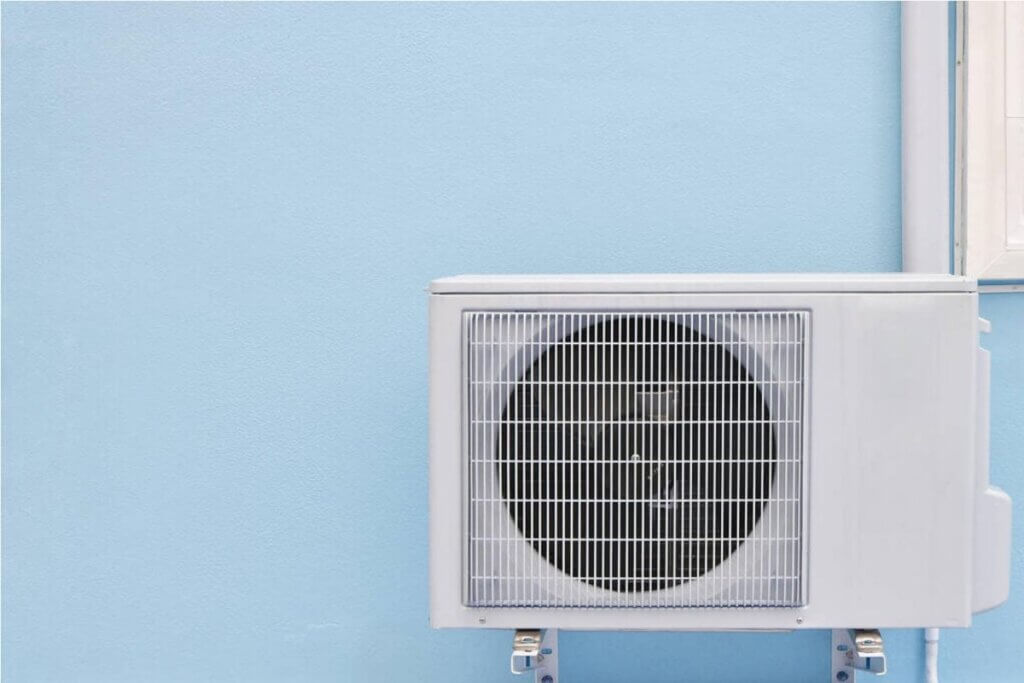
- Large household appliances. Everything from your fridge to air-conditioning. While these items aren’t replaced regularly, the average life of an oven is 15 years, so you’ll go through a few in your lifetime.
- Small household appliances. Your electric toothbrush and your hoover come under this category.
- Information technology (IT) and telecommunications equipment. This is the big one. From mobile phones to computer servers, it’s all here, and it all gets thrown out eventually – some more regularly than others!
- Consumer equipment. A difficult category to define, it includes televisions, music amps and stereos.
- Lighting equipment. Big lights and small, particularly the type used in photography and film.
- Electrical and electronic tools. Enjoy a bit of DIY? Then you’re sure to have some electric tools around. From drills and saws to more complex equipment, it all ends up as e-waste.
- Toys, leisure equipment, and sporting goods. Yes, toy trains count as e-waste once they’re thrown out. In fact, a lot of kid’s toys do now. Video games come under this banner as well.
- Medical devices. All of the equipment that helps save lives each and every day eventually need to be replaced and upgraded, and so end up as e-waste.
- Monitoring and control instruments. This includes thermostats and smart meters.
- Automatic dispensers. Coffee machines, ATMs, and vending machines. All of my favourite things.
The Rise of E-Waste
No, the robots aren’t coming to get you, but there’s no denying that e-waste is having a major impact on our environment.
Why is e-waste such a problem I hear you ask? I mean, shouldn’t we be focusing on plastic waste?
Well just think about it. What material is the majority of electronics made out of?
The cases that hold together all of the electronic components? That forms the shape of your electric drill or even a massive MRI machine?
That’s right, plastic. Usually, it’s a type of plastic that can be difficult to recycle.
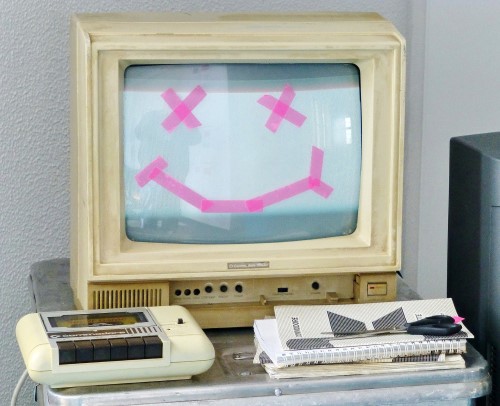
The main problem with electronic waste is the fact that we produce so much of it – and it’s only increasing.
How Times Have Changed
Technology isn’t a bad thing.
In fact, it’s improved our lives so much in just the last century.
We now need technology in our lives, and if we want to help the environment – well electronics are always going to be a part of that.
We can now map the ocean floor, track migrating birds… so many wonderful things have been created.
Yet 50 years ago, we didn’t have as many electronics in our day to day life as we do now.
There were no Bluetooth headphones. We couldn’t turn our lights off with a word.
The technology that did exist then was also made to last, because new and improved models didn’t come out as often.
The idea that technology is ‘designed to fail’ is something of a myth, but devices are definitely not as durable as they once were.
My mum still uses a food processor and electric knife that she received for a wedding gift – over 35 years ago. They really don’t make them like they used to.
The reason for this is simple, however. Most people will want to upgrade their appliances anyway, so why would manufacturers design them to last decades? It seems simple, doesn’t it?
Obsolete Technology
Just take the VCR as an example. When it came out, everyone assumed that it would be a purchase for life. No one ever envisaged the DVD player.
Now, I don’t even own a DVD player, despite my teenage collection of Harry Potter movies.
Why? Because I can buy a digital copy. It saves room and is better for the environment. I can watch any TV show I like with a click of the button.
When was the last time you changed your mobile phone? Maybe you have a contract that means you get a new model every 2 years?
On average, a person will upgrade their phone every 15 months. (quick tip: use a an eco-friendly phone case to protect your phone and extend its lifetime)
Just think how many phones that will be in a lifetime!
In 2019, we produced around 53.6 metric tons of electronic waste – more than any year before, and this is because electronics are viewed as disposable. Let’s see exactly the impact that this can have.
The Hazards of Electronic Waste
What are electronics made of?
Yes, there is a lot of plastic, but what about the rest of it?
Circuit boards, wires… The majority of people don’t know what makes up all of these components, let alone how they all work together.
The answer is potentially toxic.
Most of our electronics contain some form of toxic material, which is absolutely fine when it’s part of a component and the device is in working order.
Yet when these items end up on a landfill, this can become dangerous.
Beryllium, cadmium, mercury, and lead can cause serious environmental harm to our wildlife, soil, air, and water.
When e-waste begins to break down, these materials can leech into the soil and groundwater, and the more e-waste we produce, the worse it gets. Can we really afford to keep producing this?
Recycling of E-Waste
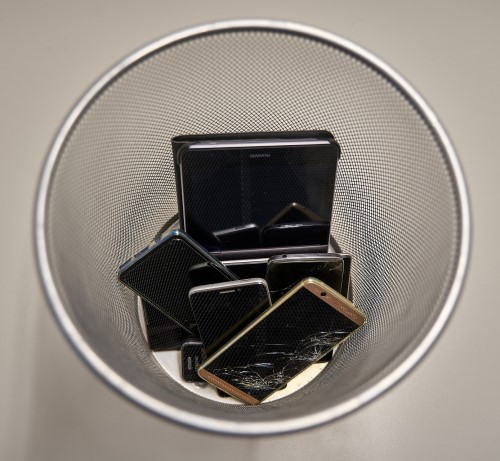
So how exactly do we recycle mobile phones, computers and other electronics?
This is the question that has been on many people’s lips for years, and there seemed to be no simple way. At first.
It was clear right from the start that our landfills would soon be full of refrigerators, ovens and laptops unless we found a better way to dispose of them.
More than this, many of the components in electronic devices are valuable, and so manufacturers wanted a way to be able to re-use these and save costs elsewhere.
Yet because there is value in these components, electronic waste disposal has become big business in some countries, with no thought to the human costs.
People are put to work collecting wires that can be recycled, and in doing so exposing themselves to some of the dangerous raw material and toxic fumes.
However, In 2008, manufacturers in the EU were directed to replace the most toxic materials, such as lead and cadmium, with other substances, in a bid to tackle both the human and environmental costs of e-waste. It was the start of something good.
So how exactly should you recycle your electronic waste?
Luckily, there are a few different options available to you.
- Swap it for a new model.
That’s right, whether it’s a washing machine or a laptop, all companies in the UK, EU and Norway much comply with the WEEE, or the Waste Electrical and Electronic Equipment directive. This means that if you’re buying a product, you have the right to hand in your old one for free, and it’s the companies responsibility to ensure that it is recycled. Many people forget about this, but it saves a lot of time when you need an urgent replacement and don’t know what to do with your old equipment.
- Bring it to your local recycling centre.
Recycling of e-waste is completely free at the majority of recycling centres, and it’s an easy way to get rid of your e-waste in a responsible way. Many supermarkets even have areas where you can recycle used batteries. There’s no longer any excuse to be holding on to all of your old mobiles.
How are Electronics Recycled?
When electronics arrive at an e-waste recycling centre, the first thing that generally happens is they are broken down into smaller and smaller pieces using massive shredders.
Really, it’s brilliant fun to watch.
Once this is done, this is separated into the different materials such as plastic, iron, and other metal.
This material can then be melted down to make ingots or pellets, which can then be used to create new items!
Value in our Electronics
As we’ve looked at, many of our electronics have a high amount of precious metals in them, such as gold, silver, platinum, copper and iron.
All this means that these valuable materials make recycling very cost-effective if they can be reused.
More than this, re-using metal means that less needs to be mined, which has its own impact on the environment.
Yet while there are laws around how to dispose of e-waste in the EU, not all companies follow this. Instead, they take out what is most valuable, and then scrap the rest.
This is a major problem with electronic waste disposal and something that the EU is trying to clamp down on. Yet there is light at the end of the tunnel.
New Measures to Tackle E-Waste
We should all make an effort to recycle our electrical devices. Yet when it comes to e-waste management, is recycling all we can do?
The answer is, no.
There is so much more that we can be doing when it comes to dealing with e-waste.
Instead of continuing the way we are currently and getting rid of electronics as soon as something new comes out, we should try and hold onto them as long as we can, and even buy second hand.
In 2020, the EU brought out a proposal that outlined how we should deal with the e-waste problem as part of their Circular Economy Plan (read our article about circular economy to learn more about this practice). This included a wide range of different advice including (drumroll please):
The Right to Repair
That all consumers should be able to repair their electronics to give them a longer life and prevent e-waste. The EU is now demanding that manufacturers ensure that their products are easier to repair than before.
Encourage Refurbished Buying

That refurbished electronics should be seen as a valid option to those seeking to buy. Hardly used electronics should be made available for consumers.
Rewarding Recycling
Many electronics companies already do this. For example, you can ‘trade in’ your old mobile in some stores for a reduction on a new model. Free recycling drop-offs are also to be made more available
Summing it All Up
Managing the waste produced from electronics is only one part of this puzzle. We also have to ask ourselves, is electronic manufacturing eco-friendly and sustainable?
If not, then why not? If you want to know more about this issue and what you can do to help, check out our 10 facts about sustainable electronics that you need to know – you’re guaranteed to be surprised!