Aluminium foil is a kitchen cupboard staple. It’s long been praised for its recyclability and its ability to keep food fresh for longer.
Yet, while these eco-credentials might have us reaching for our baking foil without another thought, there’re plenty of unpleasant surprises when it comes to this handy, but harmful, accessory.
Can you recycle aluminium foil?

Even though recycling aluminium is very easy to do and has significant environmental benefits, recycling aluminium foil isn’t quite so straightforward.
Although it’s made of the same material as the cans, the problem comes in what it is used for:
- The majority of household foil is used to cover food either while it cooks or to keep it from spoiling. Food residue on the aluminium can contaminate the recycling process, resulting in other recycled items being thrown into landfills. Because of this risk, some authorities choose not to accept foil even when they are taking cans.
- The other problem with foil is when it is laid out flat it can be confused for paper. Therefore those facilities that do accept it usually request that it is scrunched up into a ball.
How to recycle aluminium
Aluminium foil recycling in the UK is very good and the majority of kerbside collections do accept it.
Before throwing it into the bin, follow these simple steps:
- Unfold it, scrap any fat deposits into a kitchen waste bin
- Scrub it with soapy water, then rinse it and dry it
- Once clean and dry, scrunch any foil you have into a big ball and throw it into the recycling.
It’s very important to clean aluminium foil before it goes into the bin in order not to contaminate other recyclable materials.
How is aluminium recycled?
The recycling process for aluminium is fairly straightforward compared to that of some products such as plastics.
Collected aluminium is sent to a processing plant, where it is sorted and washed to get rid of any remaining residue.
Once washed the cans and other aluminium items are either shredded and melted. Any colours or remaining residues are burnt off in the process.
The molten aluminium is then poured into a mould forming an aluminium ingot. This hunk of metal can then be shipped off to factories to go on to make a whole new generation of foil.
Recycled aluminium is readily used in packaging and other household items. This is because it is significantly cheaper to recycle used aluminium than it is to quarry more raw materials and process them into the finished product.
Why should aluminium be recycled?
As with anything we use, recycling helps cut down its carbon footprint.
It is also important for sustainability, as resources such as quarried metals are finite, meaning there is a limited amount of them.
Importantly for aluminium, recycling is much less energy-hungry and polluting than the quarrying and processing of raw materials.
What is aluminium foil Exactly? Is it healthy?
Aluminium foil, often referred to as tin foil (wrongly) or wrapping foil, is essentially made from sheets of pressed aluminium.
Recently health concerns have arisen that aluminium kitchen products could contaminate food leading to illnesses such as dementia.
However, aluminium is naturally found in many foods and is removed by our kidneys.
Therefore, many scientists and food experts agree that aluminium foil and other aluminium products are safe to use in food preparation and that low levels of aluminium in food should not be a concern.
So, as long as you’re not eating aluminium as a snack, you should be safe. But as always, be careful and read instructions.
Eco alternatives to aluminium
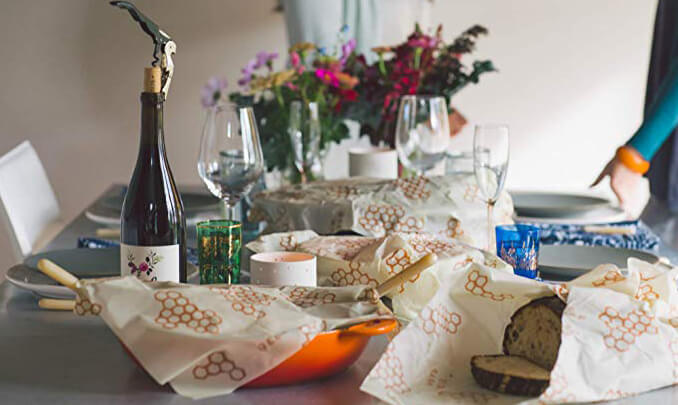
The good news is that aluminium foil is recyclable if you put in the time and effort to properly clean and dispose of it.
The bad news is maybe we shouldn’t be using it anyway. With a massive carbon footprint, a history of pollution and a whopping electricity bill hung around its neck, perhaps it’s time we admit that all that glitters isn’t gold.
So what are the real alternatives to your favourite Tesco aluminium foil?
Tins, jars and tupperware
The biggest thing you can do with any single-use item is to replace it with something that you can use for years and years. Ideally, that can be recycled or composted at the end of its life.
A selection of tins, jars and Tupperware that can live in your cupboard is ideal.
Lids
You might think that there’s no way to cook without tin foil to keep your food from burning but there are plenty of oven dishes that come with handy lids.
Silicone
Silicone does have its downsides, as it isn’t recyclable, however, alternatives to throw-away foils do have the advantage that you can use them again and again.
A note on cling film
Interestingly there are arguments that plastic wrap or cling film should be considered an environmentally friendly alternative to aluminium foil.
This may sound bizarre but it is largely because the process to make cling film has a much smaller carbon footprint than creating foil.
The bauxite ore that aluminium comes from is often quarried using open cast mining, sometimes in countries where environmental laws do not adequately protect the environment from the impacts of such industry.
This has led to the destruction of habitats, water pollution and permanently scarred landscapes.
Additionally processing the ore takes enormous amounts of energy.
However, cling film isn’t such a great eco alternative as it is non-recyclable, does not compost and is made of plastic, sourced from fossil fuels.
For more wrapping and food container options, check out our selection of the best alternatives to cling film.
How to reuse aluminium
Reusing aluminium foil isn’t exactly straightforward; however, if you’re willing to put in the effort to wash, dry and store it here are some easy options.
- Cook with it: If you’ve cleaned your foil well and it isn’t torn there’s no reason why you can’t use it to cook with or cover food again.
- Use it for arts and crafts: Just like that old washing up bottle and the toilet rolls you’ve got stacked up in a cupboard, aluminium foil is a great option for cutting into shiny stars.
- Wrap presents within: Now this is probably more one for foil that has been very lightly used, but foil can look rather eye-catching under the Christmas tree all the same.