Sustainable building materials can ensure that your home is built on eco-friendly terms, brick by brick. Choosing sustainable materials should be something that everyone building a home (or just renovating the kitchen) should be doing.
Whether you’re going DIY or searching for construction firms, we have a list of sustainable materials that you can find available in the UK.
What are Sustainable Building Materials?
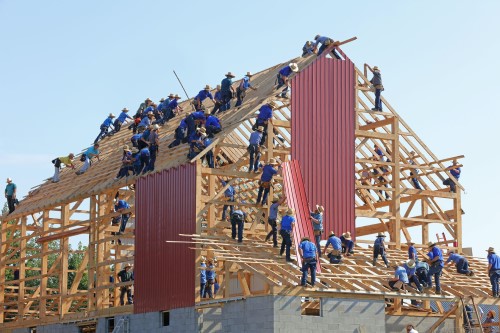
Sustainable materials in construction refers to materials that have a low environmental impact compared to traditional materials.
This means materials that are sustainably sourced (an unlimited supply) and are also energy efficient to produce. That’s why we like to prioritise eco friendly house materials that can be made in the UK. Choosing materials that are produced locally will help cut carbon emissions from transporting.
Sustainable architecture is really important. By using sustainable materials and designs, you can:
- Create homes that are built to last,
- Improve energy efficiency through improved insulation,
- Reduce pollution during manufacturing,
- Reduce exposure to chemicals day-to-day and improve air quality,
- Recycle the materials used when the structure is demolished or renovated (see circular economy).
Investing in a sustainable housing is actually one of the key areas where you should focus your sustainable consumption choices.
UK Sustainable Building Materials List
We’ve double checked our list of sustainable building materials examples, to make sure that these materials are available in the UK. Many of them are sourced and manufactured in the UK too!
Here is the overview but you can scroll down to read the full version.
| Material | UK availability | UK sourced | Sustainability |
| Reclaimed wood | yes | yes | good |
| Recycled steel | yes | yes | excellent |
| Precast concrete | yes | yes | moderate |
| Wool | yes | yes | great |
| Cross laminated timber | yes | yes* | great |
| Bamboo | yes | no | great |
| Recycled plastic | yes | yes* | poor |
| Clay brick | yes | yes | excellent |
| Straw bale | yes | yes | great |
| Rammed earth | yes | yes | great |
| Aluminium | yes | yes | good |
| Natural stone | yes | yes | good |
| Terrazzo | yes | yes* | good |
| Plants (Green roof) | yes | yes | excellent |
| Solar panels | yes* | no | good |
Reclaimed Wood
- Available in the UK: yes
- Sourced in the UK: yes
- Sustainability: good
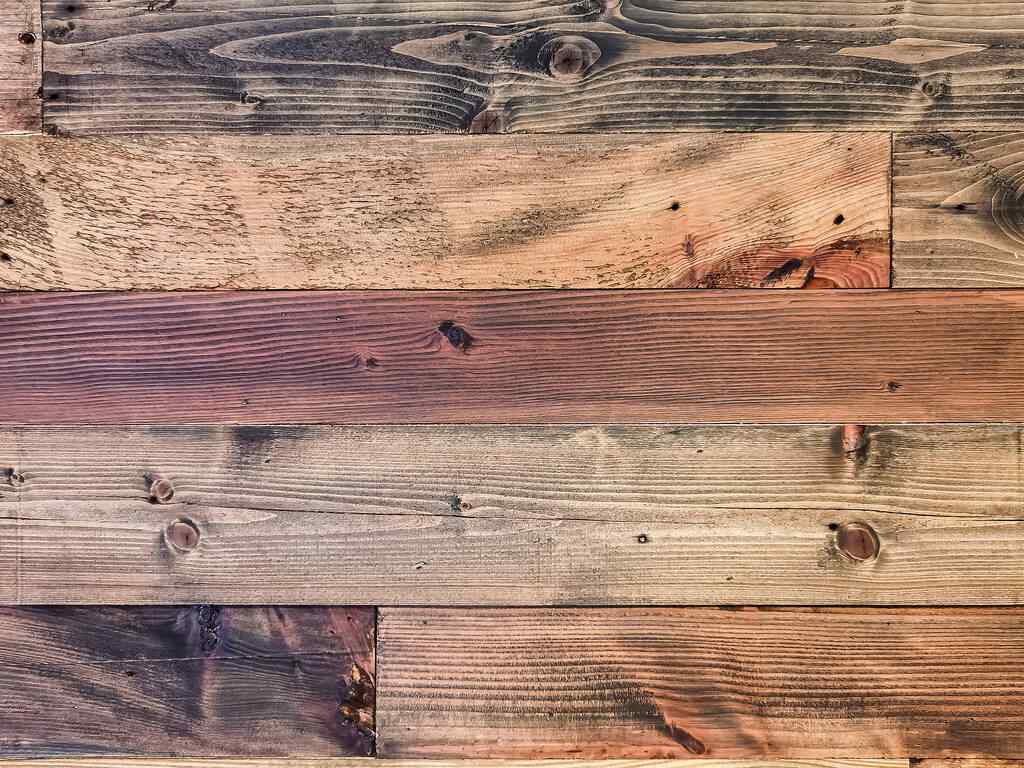
Reclaimed wood simply means reusing wood from other projects. It could be sourced from old fences and furniture, for example. These kinds of small wood pieces can be recycled and compressed (see cross laminated timber below).
Reclaimed or recycled wood also refers to wooden planks that could be reused as flooring, or even old wooden beams taken from demolished homes and barns.
As natural building materials go, wood is very sustainable as we can grow more. Reclaimed wood is slightly more limited however, as eventually we will run out of reusable wood and need to harvest virgin wood again.
Furthermore, certain types of wood cannot be reclaimed for construction if it’s been treated with or exposed to chemicals. For example, reclaimed oak sleepers (used in railways) are popular for creating flower beds, however, they are treated with creosote oil and other chemicals that can leach into the soil.
Recycled Steel
- Available in the UK: yes
- Sourced in the UK: yes
- Sustainability: excellent
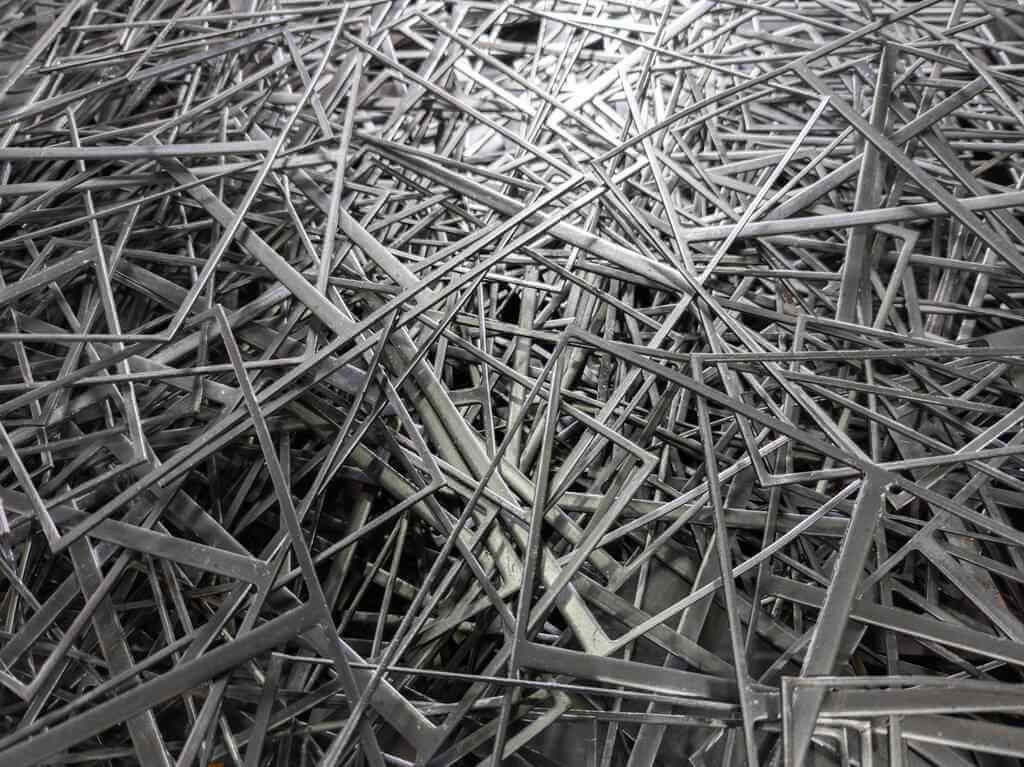
Steel can be recycled indefinitely without losing any strength, making it one of the most eco friendly building materials. It’s resistant to rust and requires very little maintenance, so it’s a good material for creating foundations and solid structures. Steel does have quite an industrial vibe, so either hide it in the structure of your building or embrace the stripped back look!
The biggest problem with steel is that producing it and recycling it requires heat. The most eco way to do this is with an Electric Arc Furnace (EAF) that could be powered by a renewable energy source (e.g. solar power).
Precast Concrete
- Available in the UK: yes
- Sourced in the UK: yes
- Sustainability: moderate
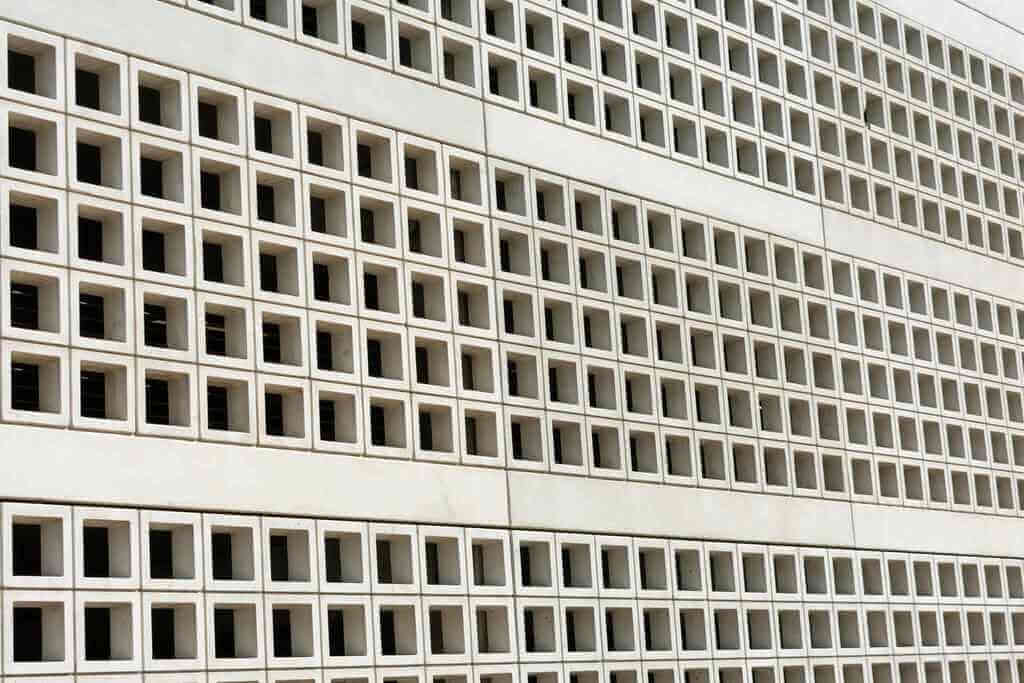
Concrete can be a sustainable material. It’s traditionally made with cement (limestone, shale, or clay), water, and an aggregate (sand, stone, or gravel). Combining these ingredients creates a paste that then sets into a very hard material. In recent years, numerous “green concrete” types have been innovated that replace some of these components with recycled or sustainable materials instead.
To ensure that the concrete you use is sustainable, choose one that’s made without fly ash. Fly ash concrete is sometimes referred to as a more sustainable alternative to traditional concrete, however, fly ash is a byproduct of burning coal – it’s therefore unsustainable.
It’s also more efficient to purchase precast concrete slabs. These are available in the UK and are popular for large scale construction, e.g. apartment buildings and warehouses.
The carbon emissions from creating concrete are higher than timber, however.
Wool
- Available in the UK: yes
- Sourced in the UK: yes
- Sustainability: great
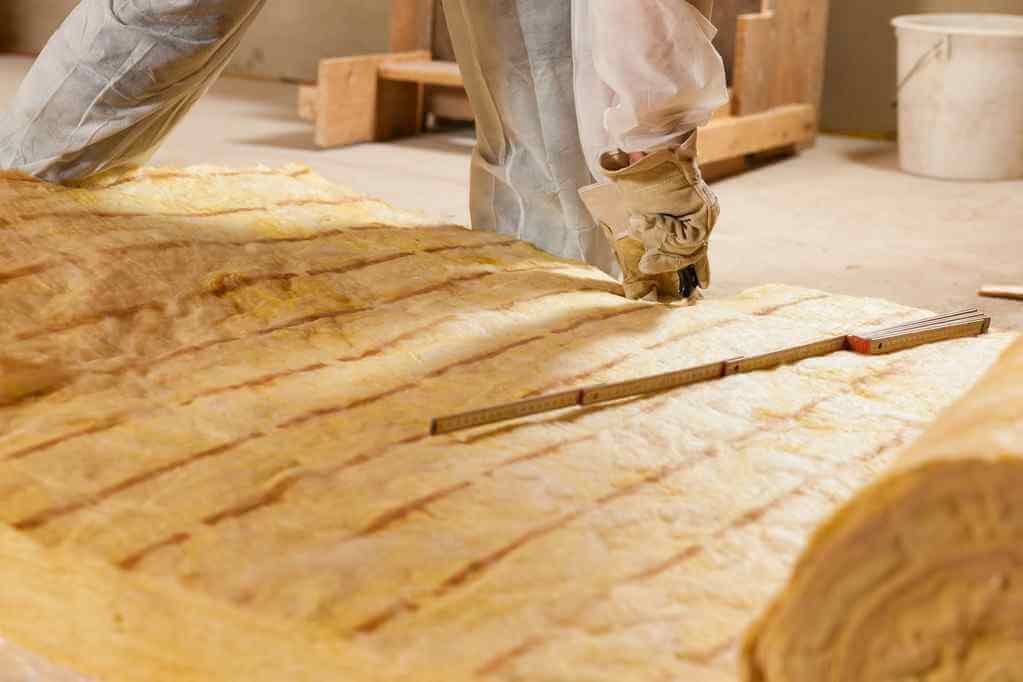
Sheep’s wool insulation is baa-rilliant! It’s totally natural and surprisingly long-lasting. While wool doesn’t seem like an overly expensive material, when you consider how much you’d need to insulate an entire home it’s actually quite pricey.
There are also some questions about ethics and sustainability. Shearing sheep is essential for the animal’s wellbeing, so in this sense wool is kind of a wasted byproduct of rearing sheep. On the other hand, some sheep that are sheared for wool are later killed as mutton or used to produce lambs for slaughter. That doesn’t sit right with some vegans.
You also need to consider the carbon emissions produced by sheep and agriculture in general. Wool insulation might be better than artificial fibres, but not quite as good as plant-based fibres (see straw bales below).
Don’t forget to check if the insulation is treated with chemical fire retardants too.
Cross Laminated Timber (CLT)
- Available in the UK: yes
- Sourced in the UK: yes*
- Sustainability: great
Chopping down trees to create mass timber doesn’t sound particularly eco-friendly, but it all depends on how our forests are managed. Trees are a sustainable source, so we can harvest timber without contributing to deforestation. Always look for the FSC certification.
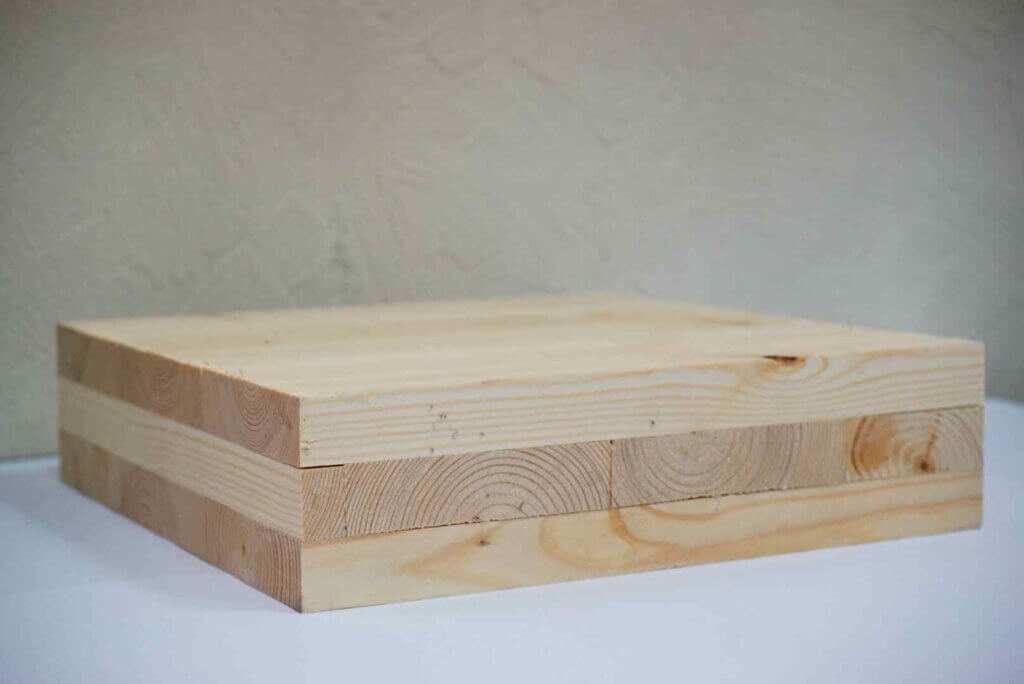
Cross laminated timber is a fantastic alternative to concrete. By laminating and compressing soft woods, we can create a timber material that’s strong enough for serious structural construction.
*While the UK does produce timber, we still import the majority of our timber from Europe. In 2019, Europe provided 54% of all the timber and panels consumed in the UK according to the TTF Statistical Review.
Bamboo
- Available in the UK: yes
- Sourced in the UK: no
- Sustainability: great
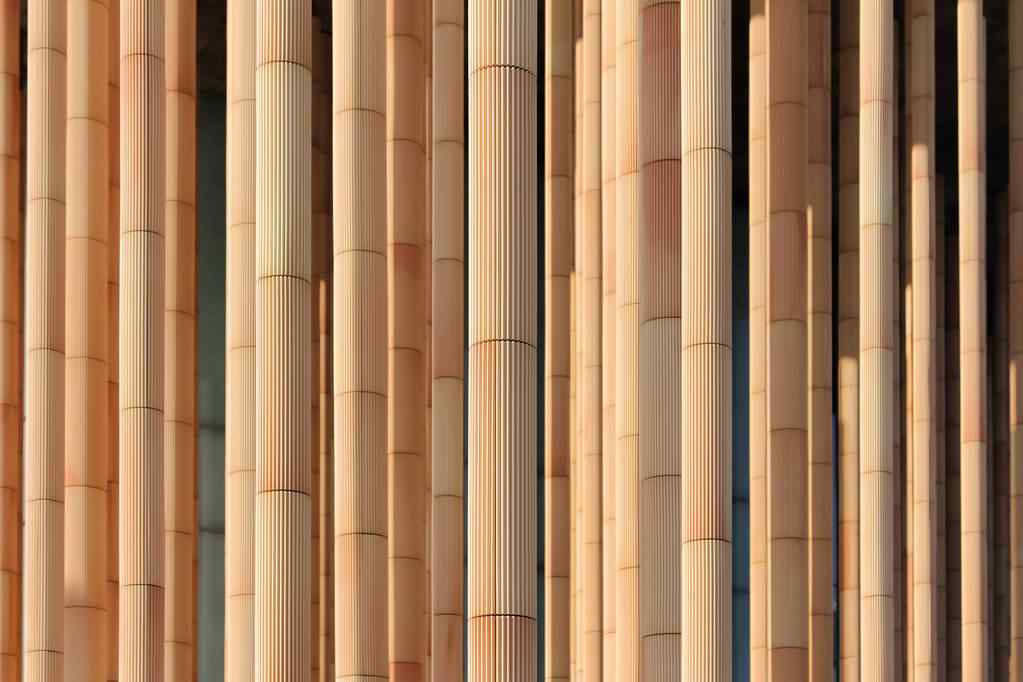
As renewable materials go, bamboo is excellent. It is a very fast growing and strong wood to use for construction. Just bear in mind that the UK does not produce any bamboo – importing it from Asia does drastically increase the overall carbon emissions.
Look for strand bamboo. This type of bamboo has been compressed to reinforce it and improve density strength. Fused bamboo may be treated with chemical adhesives to create this strength instead. If you’re renovating your kitchen and want to give it a more natural style, bamboo is a great material for your kitchen cabinets, for example.
Recycled Plastic
- Available in the UK: yes
- Sourced in the UK: yes*
- Sustainability: poor
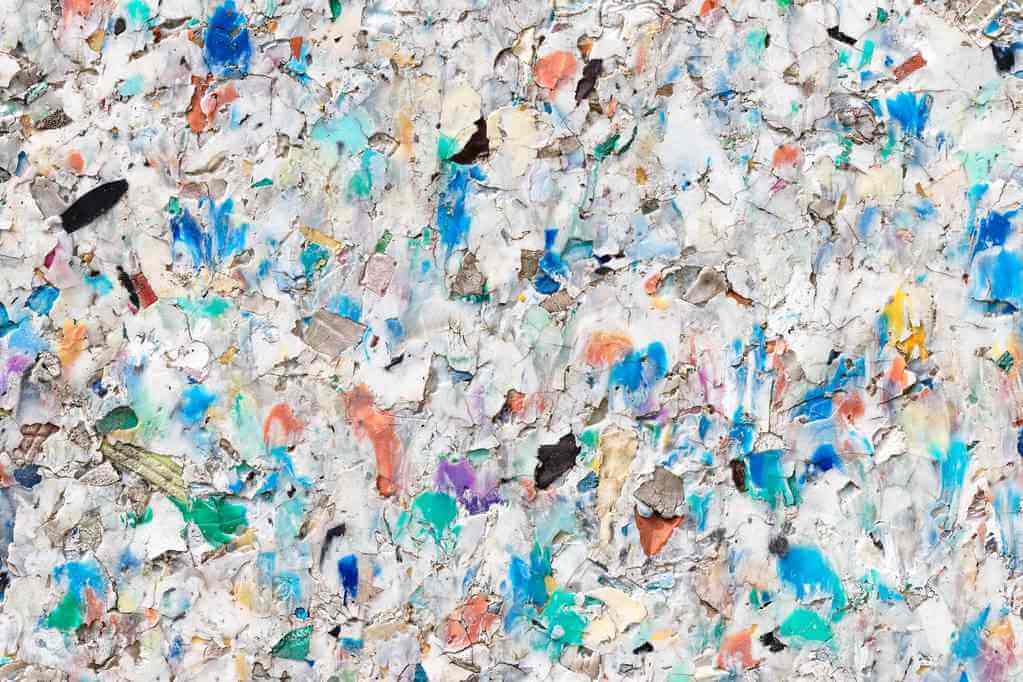
Any recycled material relies on having a waste product to recycle. Plastic production is unsustainable and even though recycling it is not a bad thing, it’s not sustainable either. One day, we’ll run out.
For the meantime, plastic can be a decent material for construction. Recycled plastic can be made into faux timber or added to concrete mixes.
*There are British companies recycling British plastic waste into construction materials, however, it’s impossible to track where the plastic was initially made.
Clay Brick
- Available in the UK: yes
- Sourced in the UK: yes
- Sustainability: excellent
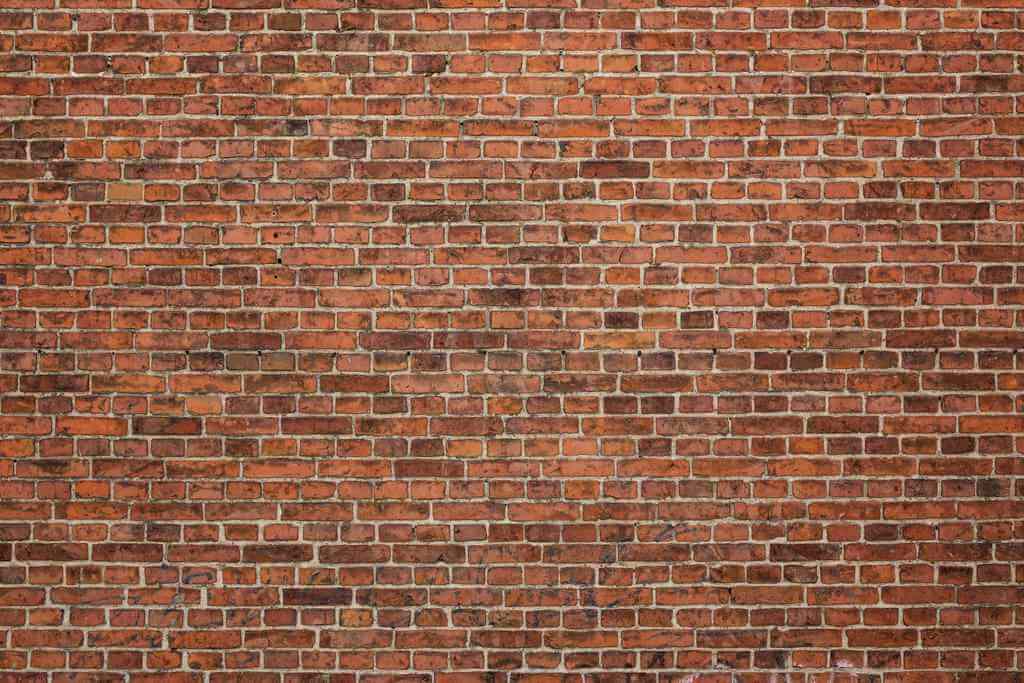
This is one of the green building materials that you probably didn’t realise was good for the environment. Clay bricks – literally bricks made from British clay – have a lifespan of 150 years and can be reused multiple times before finally being recycled when they crumble.
Clay bricks have that classic red brick look, which is great for aesthetics too. They sure look better than recycled plastic!
Creating clay bricks does require water and a lot of energy – the bricks need to be fired to 1000°C. Currently, the UK brick industry mostly relies on natural gas (unsustainable) however it is possible to create this heat with renewables instead.
Straw Bale
- Available in the UK: yes
- Sourced in the UK: yes
- Sustainability: great
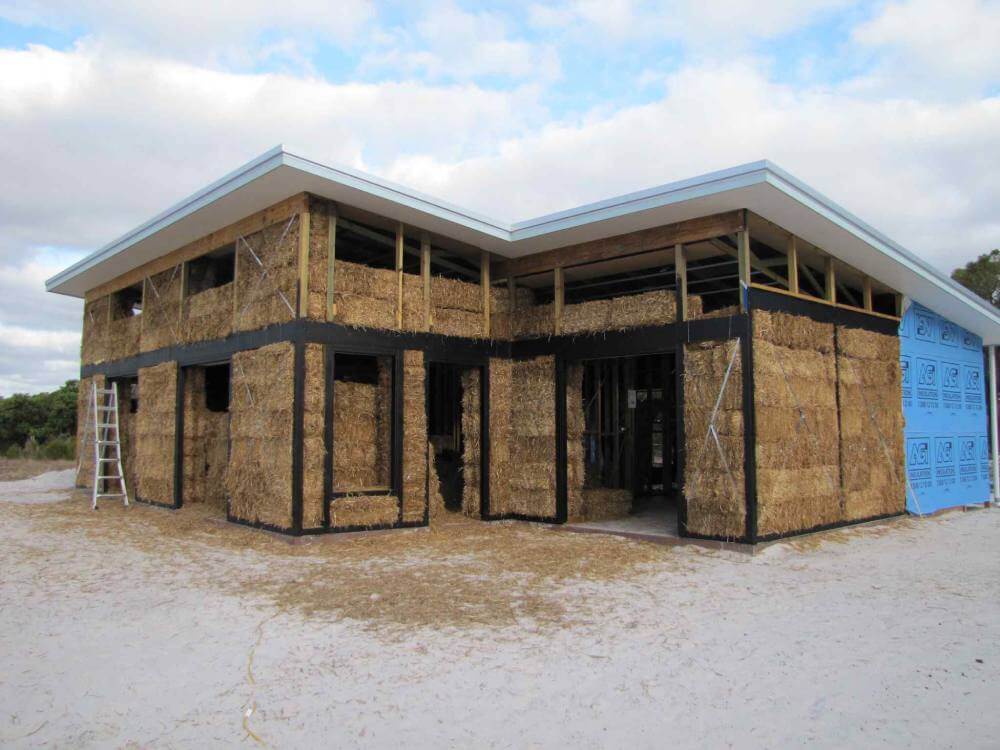
When you think of straw bale as a construction material, you probably think of thatched cottage roofs. However, straw bales can also be used to insulate homes and are surprisingly fire resistant. This is because the straw used in construction has been compressed – it’s not the bundle of plant stalks you are imagining.
When compressed, straw bales are highly insulating and leave no space for oxygen (which is why they can resist fire). Furthermore, straw bales are often leftover waste from the agriculture industry and can be sustainably grown.
Rammed Earth
- Available in the UK: yes
- Sourced in the UK: yes
- Sustainability: great
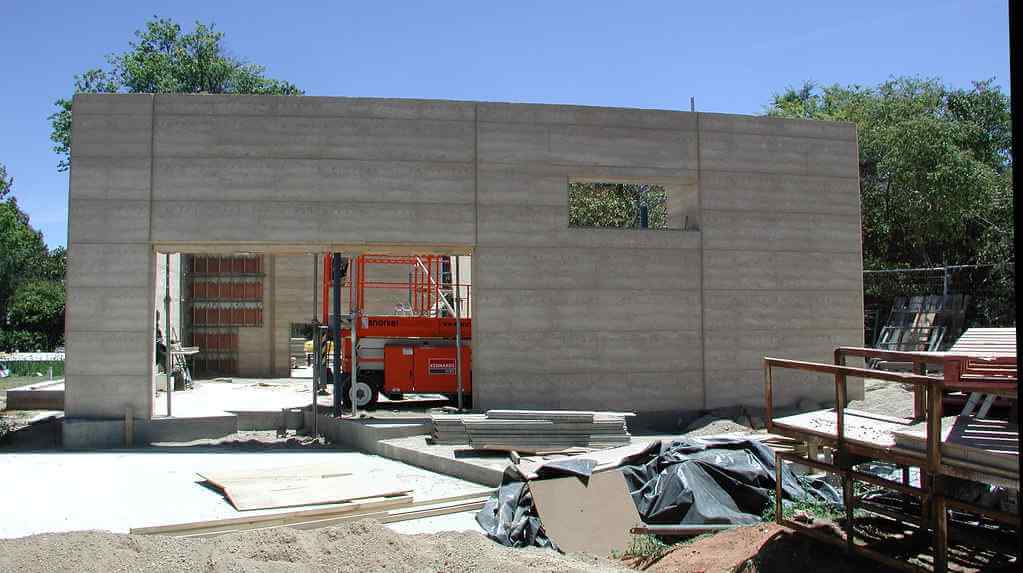
If you want something a little unusual, then rammed earth tops the list of cool alternative building materials. Rammed earth is literally made of earth that’s been “rammed” and compressed into a small space to create walls or floors.
Humans have been using rammed earth for centuries and many very old structures are made of it. The Great Wall of China and some of Egypt’s pyramids are made from rammed earth. Considering that these ancient structures are still standing strong today, that’s a huge testament to their durability.
Modern rammed earth is often combined with small quantities of concrete, creating a material that looks like cut stone. It’s used more often than you might think.
Aluminium

- Available in the UK: yes
- Sourced in the UK: yes
- Sustainability: good
Like steel, aluminium is a good metal for green building. It can be reused and offers a lot of flexibility, so if you have unusual architecture it’s a good choice. Furthermore, aluminium is quite cost effective, it doesn’t rust, and it can be entirely recycled. The recycling process could potentially be powered by renewable energy sources too.
Heat transfer can be a problem with aluminium, however, so steel is often preferable.
Natural Stone
- Available in the UK: yes
- Sourced in the UK: yes
- Sustainability: good
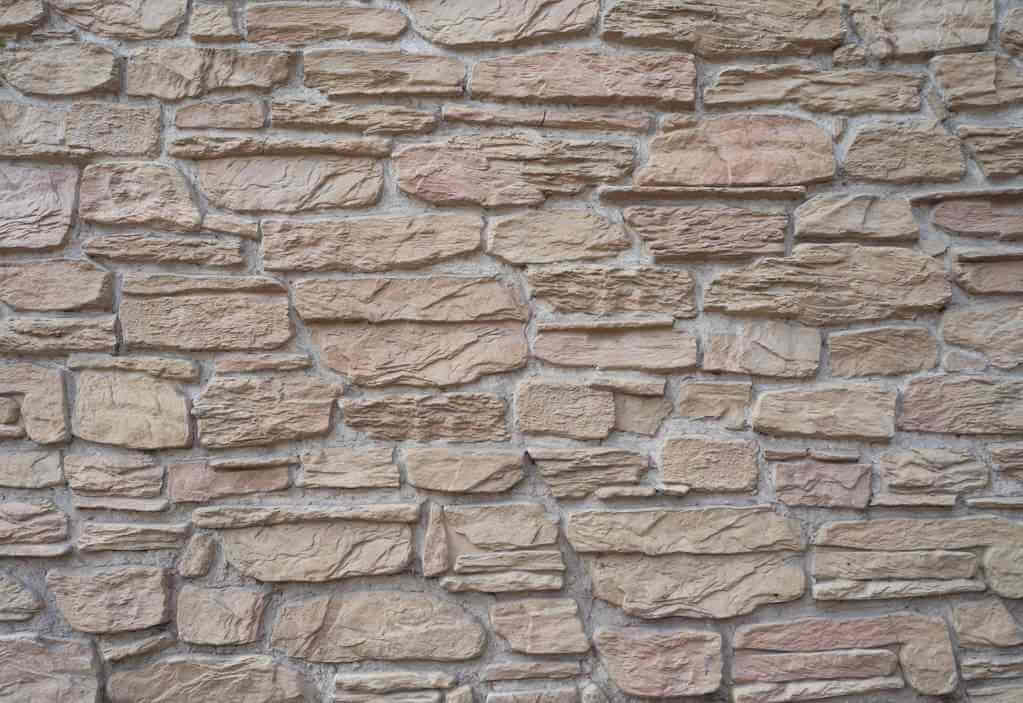
As a raw material, natural stone isn’t just eco friendly but it’s also highly fashionable. Real granite worktops in the kitchen are a sign of status. However, large, continuous slabs of stone like this are not the most efficient cost-wise and require more energy to mine, cut and transport.
Other stones are made from sedimentary rock, such as limestone. We can actually make limestone by compressing sediment, rather than mining it. This opens the door for more sustainable ways to manufacture natural stone as a construction material.
Terrazzo
- Available in the UK: yes
- Sourced in the UK: yes*
- Sustainability: good
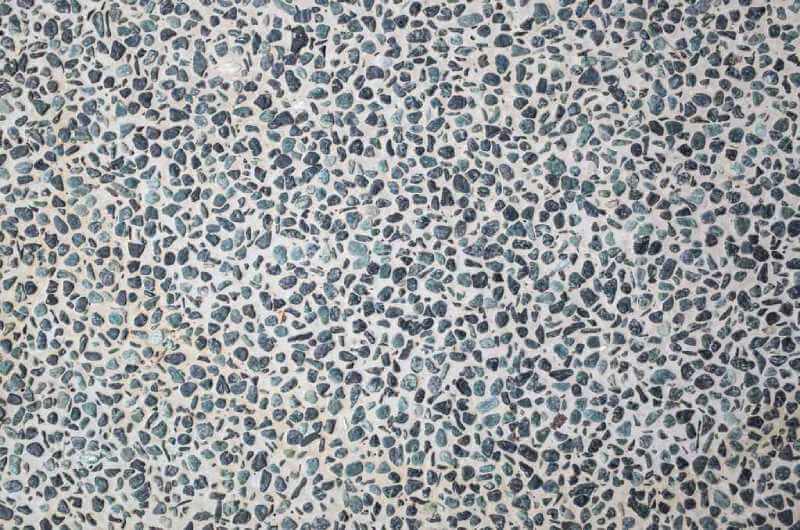
Terrazzo is made of small pieces of aggregate submerged in a hard surface, usually epoxy or cement. The aggregate can be made of sustainable materials, such as steel or natural stone chips, or it can be made from recycled materials including glass and plastic.
It’s way more expensive and produces higher carbon emissions than wooden floors, but it’s a lot cheaper and more efficient than solid stone floors or countertops.
*Terrazzo is widely available in the UK and although much of it is imported, there are some UK terrazzo manufacturers.
Plants (Green Roof)
- Available in the UK: yes
- Sourced in the UK: yes
- Sustainability: excellent
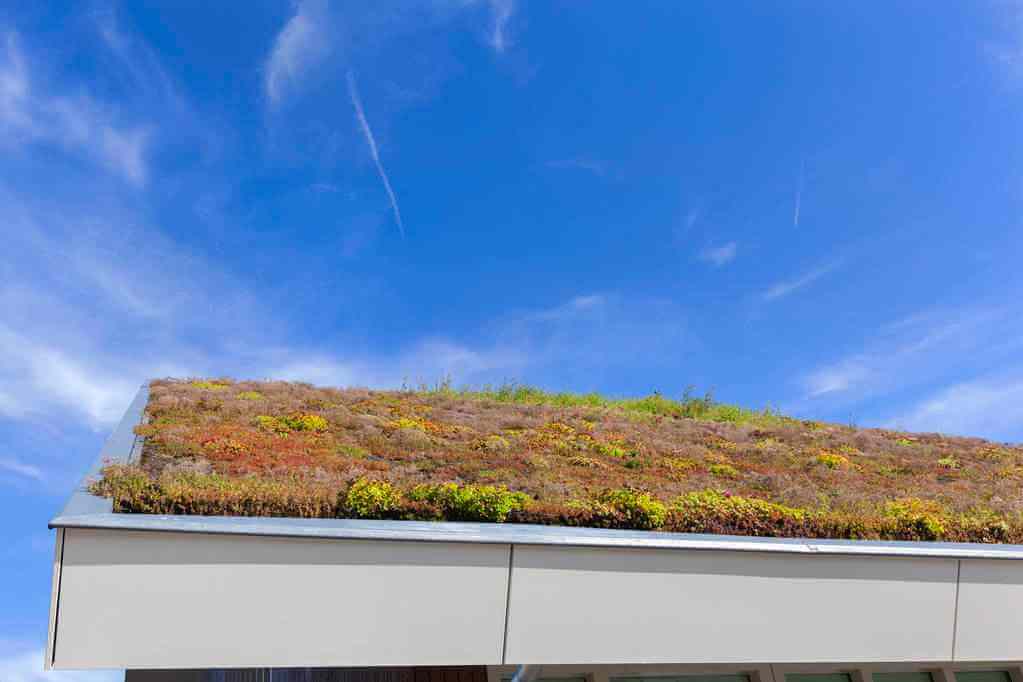
A green roof consists of soil and plants. In the UK, you could use grasses and other mat plants that are native, to boost biodiversity and rewilding too. It’s also very sustainable, obviously.
While this is an interesting idea, you’re more likely to see a green roof on a ‘Grand Designs’ building than a 4-bed semi-detached in Harrogate. It’s not overly practical, although it does offer benefits including excellent heat and sound insulation.
Solar Panels
- Available in the UK: yes*
- Sourced in the UK: no
- Sustainability: good
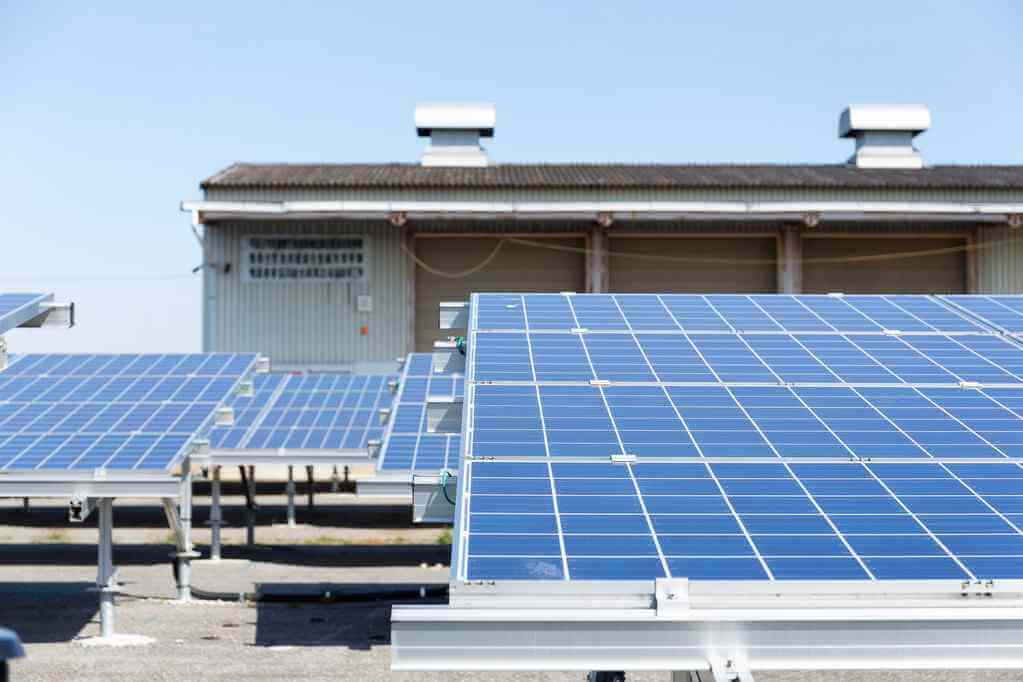
Solar panels are considered key to a sustainable future and sustainable energy source. Furthermore, some solar panels are 100% recyclable to reduce their environmental impact further. Bear in mind, however, that solar panels are made with a variety of materials that won’t all be sourced from the UK.
As a sustainable building material, solar panels are often an “add-on” that is installed on the roof. However, solar tiles are being innovated by Tesla so that you can tile your roof with small solar panels!
*Solar panels are popular in the UK, but Tesla’s solar roof is currently only available in the US.
If you ended up on this article, chances are that you’re building your house. Congratulations! While you’re at it, did you know that the direction your house faces will have a great impact on energy efficiency (and on your wallet)? Should your house face north or south? What about windows placement? We’ve got all these questions covered in the article linked above.