Zero waste shaving is the art of wasting nothing… except your hairs, of course! This is our ultimate guide to zero waste shaving, that will take you through everything from choosing a plastic-free razor to reducing blade and water waste.
If you’ve ever been curious about safety razors, getting a closer shave, and finally dropping plastic disposable razors from your shopping list, you’ve come to the right place.
Introducing Plastic-Free Shaving
The big problem with shaving currently is the plastic waste. It’s extensive! The razors themselves are plastic, they’re wrapped in plastic, your shaving cream comes in a metal can… with a plastic cap!
And after all of that, removing the blades so you can recycle your razor is seemingly impossible. So, it’s no surprise that 5000 billion disposable razor blades are used around the globe each year.
Yes, that’s 12 zeros!
And this is where zero waste shaving steps in. It means reducing waste to zero as much as possible – from the water you use, to the razor handle you keep with you for a lifetime.
Here are the benefits of adopting eco shaving practices:
- Reduce plastic waste,
- Less money spent on plastic just to throw it away,
- An Instagram-worthy razor to show off,
- A closer shave,
- An excuse to pamper your skin more often!
Zero Waste Shaving Routine: Step by Step
Fear not! Follow this guide for a close and clean shave, free of razor bumps and cuts.
1 – Choose Your Razor
Zero waste razors come in all shapes and sizes. As we explain in our guide to eco-friendly shaving, the most popular and well-known type, is the double-edged safety razor, but even these come in various styles and shapes.
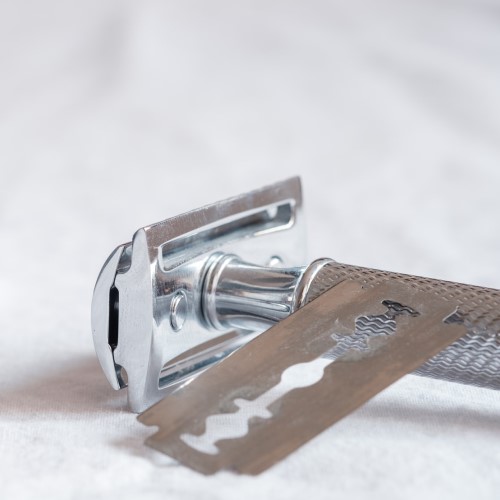
The most durable handle type is metal, and if you’re looking for a razor blade that will last a lifetime, it’s a great choice. Go for stainless-steel, as it won’t rust.
However, there are wooden handle options that have advantages. Unlike metal, wood like a bamboo handle doesn’t get as slippery when wet and covered in soap. These wooden safety razors also look really nice!
There are a few more options you’ll want to consider, from Sweeney Todd style straight razors to standard plastic razors with replaceable cartridges.
Anyway, if you need help picking an eco razor, we got several articles that will definitely help you find the one:
– Our selection of the best eco-friendly razors
– The best safety-razors
– The best eco-friendly razors for women
– A guide to cut throat razors
In addition to a good razor, you will also need:
- Stainless steel blades that fit your razor,
- Shaving soap bar, or even better, DIY shaving cream,
- Shaving brush (optional but highly recommended),
- Nerves of steel.
Only joking about that last one! Using a safety razor really isn’t that scary.
2 – Set the Mood
Dry shave methods will reduce water waste, but they are not recommended for safety razors and straight razors, especially for beginners!
In fact, there’s more prep needed for zero waste shaving than you might think. But if you make sure you’re buying non-toxic and natural soap products – and you don’t leave the tap running – you’ll keep waste and damage to a minimum.
Remove distractions. A good shave is not a distracted or rushed shave. You increase your chances of hurting yourself if you aren’t focused.
Clean your razor. Follow the instructions included with the razor to insert a blade, remove any hair (if it’s not your first time) and then close it securely so the blade doesn’t shift around.
Whip up your soap. If you aren’t using a ready-made shaving cream, use a boar hair brush (or vegan alternative) to lather up your shaving soap in a bowl. If you didn’t buy a bowl, any tupperware container will do – or even the palm of your hand! Check out our guide on how to use shaving soap for more info.
Prep your skin. Whether you’re shaving your face, legs, or anywhere in-between, make sure you wash your skin with hot water to remove any bacteria. This will prevent any potential cuts from getting infected. Warm water also softens your skin and opens your pores, allowing the hairs to fully extend. As a result, you get a closer shave.
3 – Ready, Set, Shave!
Once your skin has been cleaned and soaped up, gently glide the razor over your skin. The weight of the razor handle and sharpness of the blade is enough – you don’t need to apply extra pressure!
Loepsie has a great video that will explain what shaving with a safety razor is like, especially for anyone who wants to shave body hair as well as, or instead of, facial hair.
How Much Waste Do Non-Disposable Razors Create?
While no razor is totally zero waste, non-disposable razors get pretty close.
The main waste comes from:
- Old, blunt razor blades,
- The paper packaging that the safety razor blades are sold in,
- Water and soap waste,
- The razor handle – once in a lifetime!
Thankfully, all of this can be recycled or reused. Blunt blades can be sharpened or easily recycled, as can the paper packaging and stainless-steel/wooden handle.
Furthermore, if you choose a natural and chemical-free shaving soap, the water that swirls down your drain is good for the planet too. Make sure you pick a soap that doesn’t contain solvents and chemicals.
A Note About Electric Razors
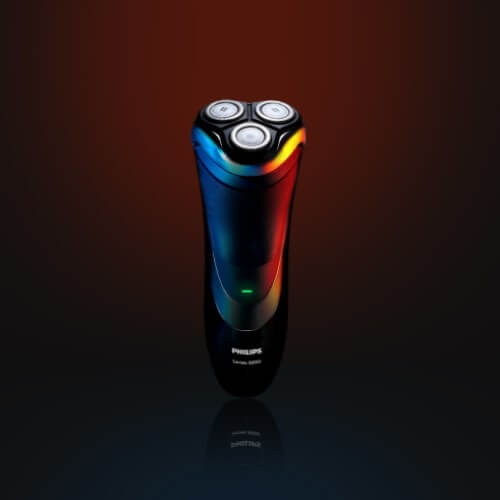
You might be wondering if electric razors are a good option, as they are much more reusable than disposable razors even if they are made out of plastic! However, safety razors for wet shaving are still a more eco-friendly option.
Wait, so are electric razors eco-friendly at all?
Aspects of electric razors are eco-friendly. They use less or no water, and they can be powered by renewable energy. But overall, manufacturing them, using them, and disposing of them is bad for the environment.
The best thing you can do with old electric razors is repair them and keep using them. Otherwise, your only other option is to break them down and work out which parts can be recycled. The rest will go to landfill.
I’m Still Terrified of Safety Razors – Help!
If this is you, don’t worry. You’ve come to the right place.
Let us reassure you that safety razors aren’t dangerous. While it is easier to cut yourself compared to a disposable razor, you’re not going to cause any serious harm when you catch over ingrown hairs.
It just stings a bit! It’s as bad as a mild paper cut.
The blades can be dangerous if you use them for activities other than shaving… but this is true of any razor, not just safety razors.
Safety razors are better for the environment, for getting a close shave, and for saving money over the long run. They are not better for speed or convenience, however. Still, we think they’re definitely worth it even if you do accidentally cut yourself!
One more thing. Going zero waste is great, but even if it involves buying fewer things in general, you shouldn’t do it at the expense of your skin! Fortunately, there are some good eco-friendly products to take care of your skin without creating considerable waste. For example, after shaving, you can soothe your skin with an alum block, a great zero-waste option. Then moisturise your skin with an aftershave balm or some body lotion.
Everything You Need to Know About Shaving Blades
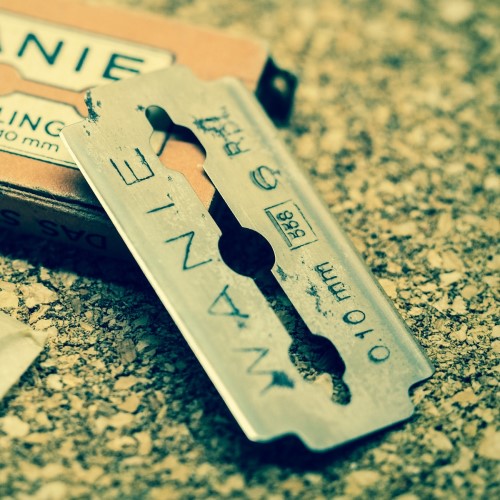
Razor blades look a little scary, but they’re not so bad. You’ll need to buy them separately from your razor and they arrive individually wrapped in recyclable paper, for safety.
Razor blades look a little scary, but they’re not so bad. You’ll need to buy them separately from your razor and they arrive individually wrapped in recyclable paper, for safety.
Are razor blades biodegradable?
Technically, yes. Stainless-steel will eventually biodegrade. But it will take a very long time! A better option is to melt it down and reuse the stainless-steel as something else.
To do this, you should recycle them! Most councils will accept them in your metal recycling bin. If you can’t put them in your metal recycling box, save up your old blades in a container until you can take them to a recycling centre. This is the best way to dispose of razor blades.
How do I make my razor sharp again?
You can use a strop or an electric blade sharpener. For DIY, try using tinfoil or a pair of jeans. Run the blade backwards over the material several times – this will remove oxidation off the edge of the blade, so it is sharp again. Check out this WikiHow guide for more detail.
If you keep the blades clean, you can use your razor without changing the blade for weeks or maybe even months. Once the blade is blunt, resharpen it or recycle it.
Other Eco-Friendly Shaving FAQs
If you have questions about zero waste shaving that are sprouting up faster than unwanted hair, you’ll find the answers you need here!
With a razor that doesn’t need to be immediately disposed of. Three piece safety razors are an excellent choice, as they’re made from eco materials and will last a lifetime.
Yes, some shaving razors can be recycled… in theory. But you’ll need to carefully extract the blades to recycle the plastic and metal separately.
If you’re talking about disposable razors, you can pull apart the plastic and metal to go in their respective recycling boxes (if possible). For more info, have a look at our article on disposable razors.
When the blade is blunt, try sharpening it. If the blade breaks or is rusted, it’s time to throw it away. Cleaning your razor and razor blades after use will help it last longer.